How to Clean, Maintain, and Extend the Lifespan of Your Favourite Baby Chairs
Expert Advice: How to Clean, Maintain, and Extend the Lifespan of Your Favourite Baby Chairs
Welcoming a new baby into the home is an experience filled with excitement, preparation, and a multitude of choices on equipment. Among essential pieces of baby gear, the baby chair holds a uniquely vital place. Whether positioned within the kitchen for family meals, in the living room for safe playtime, or by the dining table for first tastes of solid food, the right baby chair supports your child's growth and well-being. But with daily use, spills, food debris, and the natural misadventures of childhood, these items are put to the test. To truly protect your investment, and more importantly, to provide the cleanest and safest environment possible for your child, knowing how to properly clean, maintain, and extend the lifespan of your baby chairs is crucial.
As a professional copywriter and journalist with years of industry expertise, I have seen first-hand how misconceptions and misinformation can lead to unnecessary replacements, safety risks, and maintenance headaches. Through expert advice, real-world experience, and careful attention to manufacturer guidance, this comprehensive guide aims to equip parents and carers across the United Kingdom with everything they need to care for their favourite baby chairs.
The Significance of Baby Chairs in Early Childhood
Before diving into care instructions, it's important to understand why baby chairs command such care and attention. These items are not merely furniture; they shape key moments in a child’s development – mealtime bonding, first attempts at independence, and opportunities to safely observe the world from an upright perspective. Proper cleaning, regular maintenance, and thoughtful use do more than preserve the appearance of your baby chair – they protect your child's safety, comfort, and daily routines.
Understanding the Types of Baby Chairs
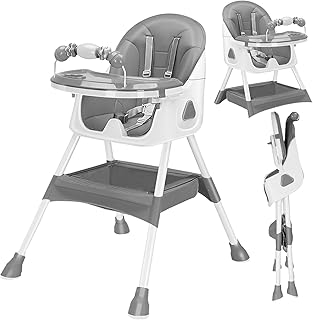
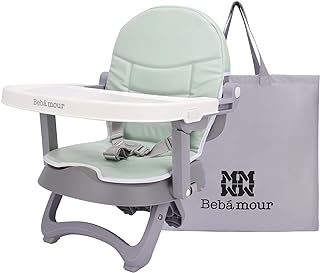
The market for baby chairs has expanded rapidly in the last decade, and UK parents now have the luxury – and at times the confusion – of choosing from a variety of types. Each type presents its own materials, construction, features, and challenges in upkeep. Classic wooden highchairs may appeal for their aesthetics and longevity, but cleaning grooves and corners can be fiddly. Plastic or composite highchairs prioritise easy wipeable surfaces, but hinges and joints may gather residue. Convertible chairs that grow with your child offer flexibility, while booster seats and travel chairs answer the need for portability and adaptability on the go. A thorough understanding of what your chair is made of – whether it includes removable padded inserts, attached trays, buckles, or adjustable footrests – is the first step in determining its cleaning and maintenance needs.
Why Regular Cleaning is Non-Negotiable
Infants and toddlers are infamous for their enthusiastic, if messy, approach to eating and playtime. Milk, pureed food, fruit juice, and even the humble biscuit can cause sticky, stubborn messes. Beyond what is obvious to the eye, invisible germs and bacteria can lurk in the cracks and crevices of even the most modern baby chair designs. Regular cleaning, therefore, is not just an aesthetic concern. Far more importantly, it is central to hygiene, infection control, and the prevention of common childhood illnesses. The UK’s National Health Service (NHS) and industry safety experts consistently advise parents to clean high-use baby equipment thoroughly and frequently, especially those used during mealtimes.
Daily Cleaning: The Basics You Should Never Skip
Each day brings its tide of crumbs, drips, and stains, and the most effective approach addresses these promptly. Immediately after use, all large food particles and visible spills should be removed by hand or using a dedicated small handheld vacuum cleaner. For plastic or tray surfaces, a clean, damp cloth and a mild washing-up liquid are ideal. For best results, avoid using harsh chemicals or abrasive cloths, which may compromise the chair’s finish or introduce unnecessary chemicals to your baby's environment. If your chair has a detachable tray, the tray can often be washed in the sink with warm soapy water. Remember to thoroughly dry all surfaces with a soft towel to prevent water marks and the growth of mould or mildew.
Fabric straps, cushions, or padded seats necessitate additional vigilance. If the padding is removable, check the manufacturer’s label for washing instructions. Many modern baby chair pads can be machine washed on a gentle cycle, but some require hand washing or spot cleaning. If machine washing is possible, opt for hypoallergenic, fragrance-free detergents suitable for sensitive skin. Buckles and safety harnesses are particularly prone to collecting crumbs and dried food; these should be wiped down daily with a damp cloth and periodically checked for any sign of damage.
Weekly and Monthly Cleaning: Deep Care for Long-Lasting Chairs
While daily cleaning targets the most immediate mess, a deeper clean should be scheduled on a weekly or monthly basis, depending on usage and the age of the child. Begin by disassembling the chair as much as the manual allows. Remove trays, covers, cushions, straps, and any clip-on accessories. Each component should be cleaned separately. Soak particularly dirty items in a basin of warm, soapy water, and use a soft toothbrush or cotton bud to gently agitate build-up in hard-to-reach areas such as seams, corners, and under chair joints. Allow all items to air dry completely before reassembling, as trapping moisture can lead to unpleasant odours and even structural decay in components such as wood.
At this juncture, inspect every part for signs of wear or potential hazards. Tighten any screws or bolts that may have become loose, and verify that all locking mechanisms, harnesses, and adjustment features are in good working order. If any cracks, splits, or persistent stains are detected, consult your retailer or the manufacturer for replacement parts, as compromised components may invalidate warranties or present safety risks.
People Also Look For:
- wooshwa Toddler Booster Seat for Dining Table, Kids Booster Seat for Kitchen Chair with Non-Slip Bottom, Portable Detachable Washa...
- High Chair Straps – Adjustable 5-Point Safety Belt for Baby, Universal Replacement Seat Harness with Buckle for Highchair, ...
- 2Pcs High Chair Straps, 3 and 5 Point Harness for High Chair, IKEA Highchair Accessories Enhance Safety and Comfort, Effectively P...
- hauck Alpha Wooden Tray, Natural - Tray for Alpha+ Wooden Highchair, FSC® Certified Beech Wood, 6 Months+, Easy to Clean, Raise...
- Kurgo Heather Car Booster Seat for Dogs, Quick & Secure Installation, Includes Seat Belt Tether, Fleece Lining, Grey/Blue (ZTV30-1...
Expert Advice: Tackling Stubborn Stains and Odours
Even with the most conscientious care, stubborn stains can develop thanks to foods like pureed carrots, tomato sauce, and fruit juices. When surface cleaning fails, a more targeted solution may be necessary. Mixing bicarbonate of soda with a small amount of water produces a gentle, non-toxic paste that can be dabbed onto stains with a soft cloth, left for ten minutes, and then rinsed away. For odours, distilled white vinegar can be a valuable tool. Spritz lightly onto affected areas, allow it to sit for a short period, and then wipe clean with a damp cloth. As with all cleaning interventions, perform a patch test on an inconspicuous area to check for any adverse reactions or discolouration, particularly with fabric or wood.
Persistent odours in cushions or fabric covers may indicate the start of mould. If safe to do so, allow these items to air out in direct sunlight, as ultraviolet rays can help to break down odour-causing bacteria. If this fails to resolve the issue, consider sourcing a replacement cover. It is far better to swap out a worn or contaminated fabric component than to use the chair with a potentially hazardous element.
Maintenance Matters: Extending the Lifespan of Your Baby Chair
Cleanliness is only part of the picture when it comes to protecting your investment. Regular maintenance and proper use can add years to your baby chair’s service. Start by placing the chair on a level, stable surface to reduce undue strain on any one area and always use the chair in accordance with its purpose and weight limits. Avoid the temptation to perch heavy objects or children above the specified age or size onto the chair, as this can weaken fastenings, joints, and structural components.
For chairs with moving parts, such as adjustable height or reclining backrests, lubricate hinges and joints with a small amount of silicone spray every few months, taking care to wipe away excess immediately. Do not use oil-based products, which can attract dust and dirt. Similarly, wooden baby chairs may benefit from occasional re-oiling or waxing as advised by the manufacturer – never use polishes containing harsh solvents, which can degrade the finish and pose a risk of skin irritation.
Check screws, bolts, and fasteners at regular intervals, tightening them so that parts remain secure but not over-tightened to the point of splitting the material or damaging threads. If the chair includes plastic or metal feet or stoppers, make sure these are intact and not worn unevenly, as this can compromise stability. If you notice broken or missing foot grips, these can often be purchased as replacements from the manufacturer or a reputable baby gear retailer.
Weather and Environmental Considerations
Where you keep and use your baby chair is just as important as how you clean it. Chairs left in damp or poorly ventilated areas are prone to mould and mildew, particularly if fabric or wooden components become damp. If your household tends to have a lot of condensation, consider storing the chair in a dry place when not in use or running a dehumidifier nearby. Likewise, avoid leaving the chair in direct sunlight for prolonged periods, as UV rays can bleach fabrics and fade colours, undermining the chair’s appearance and potentially breaking down fabric fibres and plastics.
If your baby chair is frequently used outdoors – perhaps for summer picnics or al fresco meals – take care to wipe it down as soon as possible after use. Outdoor exposure subjects materials to more dirt, food residue, pollen, and insect activity. Folding or collapsible baby chairs, designed for travel, often include their own carry bag. Always dry these thoroughly and give them a quick wipe inside before storage to avoid must and mildew.
When to Replace Parts or Retire the Chair
Even with the most diligent care, all baby gear has its own lifecycle. Responsible maintenance includes recognising the point at which repairs no longer suffice and replacement or retirement is the safest choice. Any structural damage – especially to the legs, seat, or safety harnesses – presents a reason to contact the retailer or manufacturer to discuss repair or replacement parts. For chairs subject to product recalls or that have outlasted their recommended use period, follow manufacturer or trading standards guidance strictly. Remember that older siblings or second-hand purchases may lack updated safety features now considered standard, such as five-point harnesses or non-toxic finishes.
If your chair is passed from one child to another, inspect every part in-between uses. Replace any worn pads, check adjustment mechanisms, and re-read the manual to ensure all safety protocols are observed. Resisting the urge to overlook small faults makes all the difference in preventing larger accidents. Lastly, when it is finally time to move on, many components can be recycled or donated for spare parts, reducing landfill waste and extending the sustainability of your original purchase.
Myths and Misconceptions about Baby Chair Care
A few persistent myths continue to circulate in parental circles and online forums. One common misconception is that antibacterial sprays guarantee cleanliness; while these products do reduce germs, nothing replaces the effectiveness of mechanical cleaning – that is, physically removing debris and contaminants. Another myth suggests that a visible clean is sufficient. Experts advise that cleaning must reach all surfaces, including hidden areas where bacteria easily thrive. Additionally, it is not true that baby chairs can be cleaned using adult upholstery or floor cleaning products. Many of these contain toxins or fragrances unsuitable for a baby’s sensitive skin and airways.
The mistaken belief that all fancy cleaning appliances are necessary also prevails. In truth, simple tools – a soft cloth, toothbrush, cotton buds, and warm soapy water – prove effective for the vast majority of day-to-day spills. Time and patient attention to detail trump expensive gadgets for cleaning most baby chairs.
Sustainable Cleaning: Eco-Friendly Options for Baby Chairs
For parents motivated by sustainability and eco-consciousness, there are practical ways to minimise the environmental impact of baby chair maintenance. Choose reusable, washable cleaning cloths instead of disposable wipes, which contribute to landfill and may clog drains when flushed. In place of strong chemical sprays, resort to natural solutions mentioned earlier, such as vinegar and bicarbonate of soda, which are safe, affordable, and highly effective.
When the time comes to wash fabric elements, adjust your washing machine to a lower temperature cycle and line dry whenever possible. This reduces energy consumption and preserves fabric integrity. If purchasing a new chair, look for brands committed to responsible manufacturing and recyclable components.
Seasonal Tips: Winter, Summer, and Interim Storage
The demands of maintenance shift slightly with seasonal changes. In colder, wetter months typical in the United Kingdom, more time should be taken to ensure baby chairs are thoroughly dried after each cleaning session. Extra moisture in the air increases the risk of mildew. In warmer periods, especially during heat waves, plastics and certain adhesives may soften. Avoid storing the chair in conservatories, vehicles, or anywhere excessive heat may warp or weaken plastic parts.
If you anticipate a prolonged absence from home or a seasonal lull in usage – for example, if your child is holidaying with relatives – it’s worthwhile to give the chair an especially thorough clean and store it disassembled in a dry area. This prevents inadvertently “locking in” crumbs, sticky spots, or moisture for weeks at a time.
Passing on the Legacy: Tips for Second-Hand Baby Chairs
The tradition of passing baby furniture down to younger siblings or friends is well-established within UK families. If you intend to sell, donate, or gift your baby chair, clean every part meticulously according to the manufacturer’s original care instructions. Provide the recipient with the user manual, either as a print copy or digital download, noting any parts that have been replaced or are missing. Disclose the full history of the chair, including recalls, manufacturer repairs, or safety upgrades, so the next family can enjoy the chair with confidence and peace of mind.
If you are receiving a second-hand baby chair, take time before introducing it to your child. Check for product recalls by consulting the manufacturer or the Office for Product Safety and Standards. Confirm all adjustments and safety mechanisms work as intended, and, where possible, replace old fabric or foam inserts that may hold hidden grime or have lost their supportive properties.
Manufacturer Advice: Reading and Following the Manual
It might seem self-evident, but in the hustle and bustle of parenthood, even the most diligent carer may neglect the all-important instruction manual. Manufacturers design baby chairs with specific care requirements in mind, based on the properties and limitations of the materials involved. The manual will advise on which cleaning products are safe, which temperature settings to apply, and how often to check for wear and tear. If the manual has been lost, reach out to the company’s customer service department or search the manufacturer’s website. High-quality brands understand that a well-cared-for product reflects their reputation and are usually happy to provide replacement documentation or spare parts.
The Role of Regular Supervision During Use
Ongoing supervision and common sense are invaluable in prolonging the useful life of your baby chair. Never leave your child unattended in a chair, even for a moment, as sudden movements or attempts to climb can tip or stress components unexpectedly. Engage children in the cleaning and care process where appropriate, teaching them the value of looking after their possessions from an early age. Such habits not only safeguard baby chairs but foster an appreciation for household care more broadly.
Conclusion
In the ever-evolving landscape of parenting, certain principles hold steady through generations. The care and attention given to the simple baby chair stand as a testament to the love, commitment, and responsibility UK parents pour into the earliest years of their children’s lives. With proper, regular cleaning, careful maintenance, and respect for manufacturer guidance, you can confidently extend the lifespan of your favourite baby chair – supporting countless mealtimes, giggles, and cherished family moments to come. The guidance offered here is drawn from expert opinion, lived experience, and the highest standards of child safety. By treating your child’s chair as more than just a piece of furniture, but as a daily companion and investment in their wellbeing, you ensure a cleaner, safer, and more sustainable journey through babyhood and beyond.