How Baby Chairs Improve Mealtime Routines and Encourage Healthy Eating Habits From an Early Age
Mealtimes in a family home are more than simply moments to satisfy hunger. They are rituals that foster social bonds, shape behaviour, and often set the tone for dietary habits and attitudes towards food that last into adulthood. The way in which families approach feeding very young children may have a profound and lasting influence on both mealtime routines and the development of healthy eating patterns. As a professional copywriter and journalist who regularly covers topics related to childhood development, family living, and wellbeing, I have witnessed the remarkable impact that something as simple but significant as the baby chair can have on these daily family occasions. This article explores, with depth and insight, exactly how baby chairs contribute to well-organised mealtime routines and help lay the foundation for lifelong positive eating habits.
The Unique Role of Mealtimes in Childhood Development
In the early years, mealtime is so much more than a necessary pause for nutrition. It is an opportunity for children to interact with caregivers, explore new textures, tastes, and colours, and begin understanding social cues and routines. It is within the context of mealtimes that babies start learning about structure: sitting at the table, participating in conversation, taking turns, and the rhythm of eating together. The setting and approach to these meals profoundly shape their experience, and one of the most integral features of this setting is the baby chair—often the high chair or infant booster seat.
The Evolution of Baby Chairs: From Basic Utility to Developmental Asset
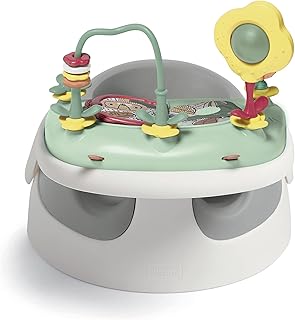
The history of baby chairs dates back centuries, but today’s models have evolved far beyond mere practicality. Early high chairs were plain wooden platforms designed to raise the child to table height. Modern iterations are feats of ergonomic, hygienic, and developmental engineering. Many baby chairs now offer adjustable heights and reclining features, multi-point harness systems, easy-to-clean trays, and comfortable, supportive seating intended not just to contain, but to engage, the child in the social and sensory act of shared eating.
As designs continue to progress, so too does our understanding of their role. Studies conducted across Europe, particularly in the United Kingdom, highlight that children introduced to solid foods in dedicated, well-designed baby chairs demonstrate better posture, improved focus, and a greater likelihood of trying a wide variety of foods. Where the traditional family table might feel overwhelming or unsafe for a baby, the tailored environment of a high chair signals that mealtime is a safe, engaging, and routine event.
How Baby Chairs Establish Positive Mealtime Structure
One of the most consistent challenges for parents and carers is creating predictability and order in a world of constant change and growth. Baby chairs contribute to this by providing a physical space that is always associated with eating. For a child, sitting in their chair is a consistent cue that food is about to be offered, which helps to set expectations and reduce anxiety or unpredictability. Over time, children begin to learn that sitting down in their baby chair at regular times is a normal part of their day.
Consistency in mealtime routines, signalled by the use of the baby chair, also supports the development of self-regulation skills. When mealtimes happen in a predictable manner and in a dedicated space, babies are more likely to come to the table hungry, alert, and ready to try new foods. Fussing, grazing between meals, and distraction are less common when babies know what to expect. Additionally, this structure helps parents and carers manage the practical side of feeding—washing hands before food, wiping down surfaces, and clearing away safely—without fighting for their child’s attention.
The ritual of sitting in a specific space for each meal also sets the stage for lifelong respectful and considerate mealtime behaviour. Babies absorb the norms of conversation, patience, and even table etiquette simply by being physically included in family routines within their baby chair.
Boosting Safety and Comfort: The Physical Benefits of Proper Seating
Safety is always at the forefront when it comes to infant feeding, particularly with the introduction of solid foods. Choking is a recognised risk at this stage, and posture plays a vital role in reducing it. A well-designed high chair or booster seat supports babies to sit upright, with hips, knees, and feet in a position that stabilises them, allowing safe swallowing and easier self-feeding.
The design of baby chairs is intentionally focused on ergonomics. Proper back and foot support encourages strong muscle development and alignment, prevents slumping, and allows babies to use their hands freely. Trays or armrests are situated to keep food within reach, encouraging independence from an early stage and building fine motor skills as babies learn to grasp, scoop, and use utensils.
Additionally, high-quality baby chairs contain features such as secure harnesses and stable bases, which help to keep a wiggling child safe and reduce parental stress. When parents feel confident that their child is secure, they are more relaxed at the table, making positive interactions in mealtime settings more likely.
Encouraging Participation and Social Learning at the Table
Baby chairs are not only functional items but vital facilitators of shared mealtime experiences. By raising babies to the same height as the family table, these chairs position infants as active participants, rather than outsiders, in the daily social ritual of eating. Social integration during meals is associated with numerous developmental benefits, including improved language skills, emotional resilience, and a willingness to try diverse foods.
Meals are fundamentally social; infants learn by watching and imitating parents and siblings. In the context of a baby chair, a child can observe how food is served, how utensils are handled, and how others respond to different tastes and textures. The repetition of seeing family members enjoy a range of foods fosters curiosity and acceptance and helps overcome natural neophobia (fear of new foods) that can otherwise lead to fussy or restricted eating.
People Also Look For:
- Cozy N Safe Astra i-Size 135-150cm Child Booster, 3-Point Seatbelt or ISO-Fix, Extra deep Foam-Padded seat and armrests, 135-150 c...
- Bebeconfort Meely, 2-In-1 Adjustable Baby High Chair Converts to Baby Chair, 6 Months – 3 Years (Max. 15Kg), Lightweight (3.3Kg)...
- LADIDA Soft Padded Lamb Bouncer, Suitable for Newborns 0-6 Months, Soothing Music and Vibration
- BEJOY Kids Sofa Ultra-Soft Snuggle Foam Filled Chair, Single Cuddly Sherpa Reading Couch for Boys and Girls, Grey
- BEJOY Kids Sofa Bed 2-in-1 Flip Out Cuddly Sherpa Toddler Couch Convertible Chair to Lounger Children Sofa Bed Children\'s Day and...
The baby chair’s design, allowing face-to-face eye contact and ensuring the child’s inclusion in meal-related conversations, supports the development of communication skills. Even before language emerges, babies engage through babbling, gestures, and facial expressions. They learn the turn-taking and social signals that characterise positive family dynamics.
Reducing Mealtime Distractions and Promoting Mindful Eating
In modern homes, distractions at mealtimes abound—televisions, mobile phones, and even toys can draw the focus away from eating and interacting. The consistent use of a baby chair helps to establish boundaries that delineate mealtime as a separate, important event. Babies begin to learn that sitting in their chair means food is the central focus and that play or screen time can occur at other times.
This distinction promotes the principles of mindful eating from the very beginning. Children who eat mindfully are more likely to recognise when they are hungry or full and to develop a positive relationship with food, rather than using meals to distract themselves from boredom or other emotions. By providing a dedicated, comfortable seat away from other distractions, parents lay the groundwork for these beneficial habits.
The baby chair also makes it easier for parents or carers to interact directly with their child, making eye contact, responding to cues, and providing encouragement or guidance as appropriate. It is during these times that parents can introduce the language of eating—naming foods, discussing flavours, and asking questions that encourage engagement with what is on the plate.
Baby Chairs and the Weaning Process
The transition from breast milk or formula to solid food is one of the most pivotal developmental milestones in early childhood. The process, commonly called weaning, is smoother and safer when a baby chair is incorporated from the earliest days of introducing solids.
When placed in a supportive chair, babies can experiment with finger foods and purees in a way that is conducive to self-feeding. Baby-led weaning, an approach that involves allowing infants to control the selection and consumption of first foods, depends heavily on babies being able to sit upright in safety. The high chair facilitates this autonomy, giving babies the freedom to explore at their own pace, with the security of a contained environment and a tray to organise food.
Numerous paediatric nutritionists and child development specialists throughout the United Kingdom champion a flexible, child-led approach to weaning. The baby chair is central to this method, offering the child easy access to food and parents a clear, cleanable space to monitor intake and progression.
Hygiene, Cleanliness, and Reducing the Stress of Mealtimes
No parent envies the mountain of cleaning associated with feeding young children. Mealtimes are notoriously messy—from flying spoonfuls of puree to the joyous exploration of finger foods, a baby’s mealtime mess is simply a fact of family life. However, baby chairs are specifically designed to make the process more manageable.
Most baby chairs are crafted from materials such as moulded plastic or sealed wood which can be easily wiped down after each use. Detachable trays, washable straps and covers, and minimal crevices where crumbs can hide are features that enable thorough cleaning. This ability to quickly and effectively clean the chair and its areas means that mealtime mess needn't become a source of household frustration or impede the enjoyment and benefits of shared family meals.
A clean chair is also essential for health, reducing the risk of bacteria and food-borne illness. This is particularly significant in the early years when babies’ immune systems are still developing. Establishing a routine of wiping down and disinfecting the baby chair after each use teaches the child that hygiene is an integral part of family meals. Older siblings and parents modelling this behaviour reinforce its importance.
Furthermore, because the high chair contains the mess to a single, predictable space, parents can more easily separate play time from mealtime, avoiding the habit of using toys or screens as distractions while the child eats. The result is a more focused approach to feeding and a peaceful, predictable environment where children can explore new foods at their own pace, free from unnecessary stress or pressure.
Personalising Mealtime: Inclusion and Positive Associations with Food
Baby chairs, with their plethora of styles, colours, and accessories, also offer a unique opportunity for children to form positive associations with eating. Allowing a child to have their own special seat, with a design or colour they find appealing, can help make eagerness for mealtime part of the daily routine.
Personalising the chair with a favourite cushion or letting the child help choose a placemat or bib representation strengthens their attachment to the mealtime process. When toddlers see their seat as “their own”, they are more likely to look forward to being included, reinforcing the sense of security and comfort around eating.
This positive association extends beyond the physical to the emotional, as being welcomed and valued at the table encourages children to experiment with new tastes and textures without fear. The baby chair thus becomes more than a functional tool—it is a space where a child experiences belonging, autonomy, and encouragement, all crucial for forging a healthy relationship with food.
Supporting Diverse Eating Styles and Family Structures
In today’s United Kingdom, families come in all shapes and sizes and eat in a variety of settings, from traditional dining tables to breakfast bars, or even picnic rugs on the floor. The baby chair adapts seamlessly to family culture, be it communal feasts, small family breakfasts, or busy mealtimes with multiple siblings.
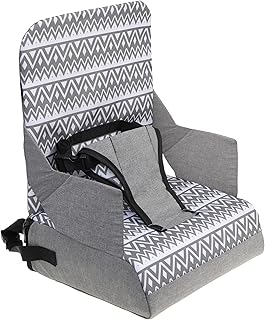
Many modern baby chairs are portable or convert easily into booster seats, making it feasible to include the child in meals wherever the family gathers. This flexibility supports the core belief that shared family meals, regardless of formality, are powerful for fostering healthy habits. These habits transcend simply what is eaten—they teach children about togetherness, gratitude, and conversation.
The ability to integrate the baby chair into a range of environments, both at home and when visiting friends or relatives, means that the routine of healthy mealtimes travels with the child. The message is clear: wherever the family eats, there is a place for the baby—and a commitment to making nutritious food and positive mealtime experiences central to that shared life.
The Psychological Effects of Predictable Mealtime Seating
Children thrive when they know what to expect. The dedicated use of a baby chair at mealtimes instils a sense of security and order, reducing resistance to new foods and outbursts linked to unpredictability. This routine supports not just nutritional health but emotional wellbeing, giving babies an oasis of structure in a world where everything else can seem overwhelming and new.
Predictability also makes it easier to introduce new foods by associating the experience with a safe, familiar setting. Children learn quickly, and because the baby chair acts as the “stage” for all food exploration, initial hesitations are tempered by the comfort of routine and the reassurance of family proximity.
In a psychological sense, the consistent use of baby chairs marks the beginning of boundary-setting. It teaches children that certain behaviours belong to certain contexts—eating is for the chair, play is for the floor, and so on. These boundaries are critical as children grow, helping them to regulate emotion and behaviour in a variety of settings later in life.
Long-Term Impact: From High Chair to Lifelong Healthy Habits
Experts in paediatric health and nutrition agree that patterns formed in the earliest years are often predictive of future food choices and eating attitudes. The baby chair is a simple tool, but its thoughtful use instils some of the most fundamental aspects of healthy living.
Children who begin their eating journey with structure, routine, and positive associations are more likely to carry healthy habits into childhood and adolescence. This includes willingness to try new foods, respect for mealtime boundaries, and an intrinsic understanding of portion control and satiety.
Lifelong benefits also encompass the social and psychological: mealtime as an opportunity for togetherness, conversation, and celebration. The rituals and manners learned through inclusion in family meals within their baby chair become the cornerstone for confident, communicative, and healthy individuals.
Tips for Maximising the Positive Influence of Baby Chairs on Mealtime
To reap the full rewards, it is important for parents and carers to be consistent in their use of the baby chair for every meal, snack, or family celebration. The baby chair should be seen not as a piece of equipment to restrain a child but as a throne that places them at the heart of family life.
Choose a chair that is age-appropriate, adjustable, and easy to clean, and ensure the child is seated comfortably and safely for every feeding. Allow for independence—encourage babies to reach for food, handle spoons, and even get a little messy. Engage in conversation, make eye contact, and use the time to reinforce vocabulary, social skills, and curiosity about food and family.
Finally, model healthy eating and mealtime behaviour at the table. Children are more responsive to example than to exhortation. The baby chair is a tool, but it is the love, patience, and attention of caregivers that transforms mealtime from a chore into a cherished family ritual.
Conclusion
In the whir of everyday life, it is easy to overlook the humble baby chair. Yet, in truth, it is an unsung hero of early childhood. By providing a safe, predictable, and inclusive space for a child at the family table, the baby chair does more than offer a perch for eating—it creates the structure, security, and social engagement that underpin mealtime routines and nurture a healthy relationship with food. Through attentive and consistent use, parents support their children to develop self-feeding confidence, curiosity for new flavours, and habits of mindful eating. Over time, these foundations help shape resilient, adventurous eaters who value family connection and carry the lessons of their earliest meal experiences throughout their lives. Thus, the baby chair is not simply a piece of furniture: it is an investment in the wellbeing, confidence, and joy of a new generation—one meal at a time.