Why Stability Matters Choosing a Tip Resistant Baby Chair
When it comes to baby furniture, safety should always be the top priority. Among the crucial pieces of furniture parents invest in, baby chairs hold significant importance. A tip resistant baby chair is designed to provide stability and support, ensuring that your child can sit comfortably without the risk of falling. This article delves into the reasons why stability matters when selecting a baby chair, the features to look for, and how to ensure your child's safety in various settings.
Understanding the Importance of Stability
Stability is a critical factor in any baby chair, as it directly impacts the safety and comfort of your child. A stable chair not only prevents tipping but also promotes good posture, which is essential during the developmental stages. With a variety of baby chairs available, parents must understand how stability influences their choice.
For instance, consider a scenario where a child is seated in a chair that is not designed for stability. If they lean too far to one side while reaching for a toy, the chair may tip over, resulting in potential injury. This example highlights the essential need for stability in infant seating solutions. A chair designed with a wider base often provides better stability, reducing the likelihood of accidents.
Key Features of Tip Resistant Baby Chairs
When searching for a tip resistant baby chair, several features should be prioritized. These features not only enhance safety but also improve usability for both the child and the caregiver.
Base Design
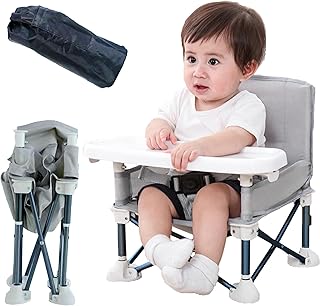
A wide and sturdy base is one of the most important aspects of a stable baby chair. Chairs with a broader footprint distribute weight evenly, making it harder for the chair to tip over. Additionally, some designs incorporate anti-slip materials at the base, further enhancing stability on various surfaces.
People Also Look For:
- LADIDA Foldable Baby Travel Seat Booster Toddlers Dining Seat Removable Tray with Travel Bag Portable Folding Booster Feeding Chai...
- Yoleo Portable High Chair for Babies and Toddlers, Baby Booster Seat for Dining Chair, 6 Months to 3 Years, 15 kg, Height Adjustab...
- Baby Inflatable Seat for Babies 3-36 Months Built in Air Pump Infant Back Support Sofa Toddler Chair for Sitting Up, Baby Shower C...
- LADIDA Foldable Baby Travel Seat Booster Toddlers Dining Seat Removable Tray with Travel Bag Portable Folding Booster Feeding Chai...
- Red Kite Tree Tops Sit Me Up Inflatable Ring Seat with Play Tray and Activities, White, 1.0 Count
Weight Capacity
Each baby chair comes with a specified weight limit. It is essential to choose a chair that can accommodate your child's current weight and potential growth. Overloading a chair can lead to instability and increase the risk of tipping. Parents should always refer to manufacturer guidelines and select chairs that exceed their child's current weight.
Secure Harness System
A secure harness system adds an extra layer of safety. Look for chairs that feature a five-point harness, which provides better protection and keeps the child securely in place. This is especially crucial for active toddlers who may try to stand up or shift their weight unexpectedly. A well-designed harness should be easy for parents to use but challenging for children to unbuckle.
Comparing Different Types of Baby Chairs
The market offers a variety of baby chairs, each designed for specific needs and situations. Understanding the differences can help parents make informed decisions.
High Chairs
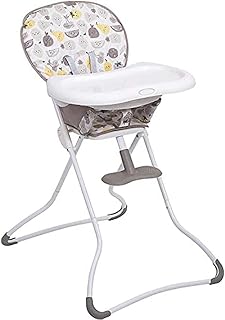
High chairs are commonly used during mealtimes and are typically designed with stability in mind. Many high chairs come equipped with features such as adjustable heights and reclining seats. When selecting a high chair, ensure that it has a wide base and a secure harness system. Some models also offer a more extensive range of motion, allowing the chair to grow with your child.
Booster Seats
Booster seats are an excellent option for families who prefer to use regular dining chairs. These seats elevate the child to a suitable height while maintaining security. It is vital to choose boosters that attach securely to the chair and include a harness system. Look for models that provide a stable platform to prevent sliding or tipping.
Floor Seats
Floor seats are designed for infants and young toddlers and provide a safe space for them to sit and play. These seats often come with additional support and are low to the ground, making them less likely to tip over. When selecting a floor seat, ensure it has a stable base and is made from durable materials that can withstand frequent use.
Creating a Safe Environment
In addition to choosing the right chair, creating a safe environment is essential for your child's well-being. Here are some tips to enhance safety:
- Always supervise your child while seated.
- Keep the area around the chair free of clutter.
- Ensure the chair is placed on a flat, stable surface.
- Regularly check the chair for wear and tear.
By implementing these measures, parents can significantly reduce the risk of accidents and ensure their child enjoys a safe seating experience.
Real World Examples of Stability Issues
The significance of stability can be illustrated through real world examples. Consider a family gathering where multiple children are seated in various types of chairs. A poorly designed chair could lead to a child leaning too far back to reach a toy, resulting in a sudden tip. Conversely, a well-designed tip resistant chair would allow children to engage safely in their surroundings without the fear of falling.
Additionally, parents often find themselves in situations where they need to transfer their child from one chair to another. A stable chair makes this transition easier and safer, minimizing the chance of mishaps. As parents navigate these everyday scenarios, the role of stability becomes increasingly clear, reinforcing the importance of selecting a reliable baby chair.
Final Considerations
When it comes to choosing a baby chair, stability is not just a feature; it is a necessity. Parents must prioritize this factor to ensure their child's safety and comfort. As the child grows and their needs change, the right chair can make all the difference in providing a secure environment. Evaluating the various options available will ensure you find a chair that meets your family's specific needs and provides the necessary support for your little one.