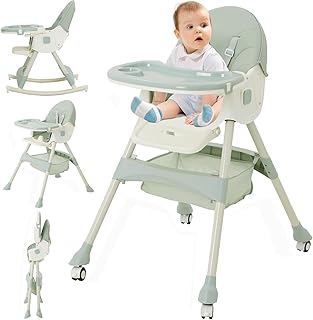
The Ultimate Guide to Choosing the Safest and Most Comfortable Baby Chairs for Every Stage of Development
The journey of parenthood is a beautiful and transformative experience, marked by a series of milestones orchestrated to the rhythm of your baby’s growth. Among the endless list of baby essentials a parent needs to consider, the humble baby chair holds a significant place. This piece of furniture—often overlooked as just another item on a lengthy checklist—can profoundly influence your child’s comfort, safety, and developmental trajectory. As a professional copywriter and journalist with years of experience in family and parenting topics, I present this comprehensive guide, tailored to discerning parents in the United Kingdom who insist on only the best for their little ones. Here, you’ll discover how to choose the safest and most comfortable baby chairs for every stage of your child’s development, equipped with evidence-based guidance and practical insights.
Understanding the Role of Baby Chairs in Child Development
The importance of seating in infancy cannot be overstated. A baby chair is more than a convenient spot to feed or play; it is an essential aid in physical support, social integration, and structured routine. From newborns who need careful reclining support, to curious toddlers eager for a seat at the family table, each phase demands specialised consideration. The right chair can assist in fostering the foundation for motor skills, cognitive exploration, and safe, inclusive participation in daily life.
Safe and comfortable seating supports optimal posture when a baby is bottle-feeding, enables sensory exploration during weaning, and ensures healthy alignment as they navigate new milestones. A well-chosen chair is not merely practical; it is a facilitator of togetherness, curiosity, and independence.
Assessing Safety: Non-Negotiable Standards for Baby Chairs
Safety must always top the list of considerations when selecting any baby product, but baby chairs deserve special scrutiny. Parents should never compromise safety for style or novelty. The United Kingdom enforces stringent criteria in this sector; reputable producers will always comply with British and European standards, such as BS EN 14988 for high chairs and BS EN 1272 for reclined cradles.
Look for certifications stating that the chair has passed independent testing against tip-overs, collapse, and other accidents. Key safety features include harness systems that firmly secure your child without causing discomfort. The five-point harness remains the gold standard, preventing escapes and falls while maintaining comfortable support across the torso and between the legs. Serviceable harness adjustment permits safe customisation as your child grows.
Structural stability is also crucial. High-quality baby chairs use wide bases and anti-slip feet, reducing risk even as your little one becomes more active. Models made with robust materials like reinforced plastic or solid wood are less likely to deform over time, ensuring enduring safety. Locking mechanisms should be both easy for adults and secured from curious fingers.
Always examine the chair for potential hazards like sharp edges, tiny detachable pieces, exposed screws, or pinch points. An often overlooked element is the finish; baby chairs should use non-toxic paints and finishes, free of harmful chemicals and safe for inevitable moments when your baby chews or mouths the frame.
Regular checks, even after purchase, bolster ongoing safety. Tighten screws and fastenings, wipe down surfaces to prevent sticky buildup, and consistently assess straps and support features.
Newborns: Reclining Cradles, Bouncers and Supportive Loungers
The earliest months of life are marked by a need for cocooning comfort and maximum support. For newborns, a reclining cradle or soft lounger offers essential stability. These seats are made for babies who cannot yet hold themselves upright; a secure, gently angled recline mimics the support a parent offers while holding their child. Cradles with sturdy frames and wide bases help ensure stability, while premium padding prevents pressure points on your baby’s soft skin.
The ideal newborn chair cradles the head, neck, and spine in natural alignment. Mesh or breathable fabrics deliver comfort and prevent overheating, addressing safety concerns around daytime naps. In this stage, look for integrated harnesses that gently secure your baby and effortless switch mechanisms that allow parents to move their child from chair to cot without waking them.
Some chairs double as bouncers, offering gentle movement to soothe and entertain whilst giving parents hands-free moments. Features such as toy bars with textured, colourful items can foster visual tracking and motor skills in short, supervised intervals. However, as soon as your baby can start to roll or push up, it’s time to transition to the next stage.
Infancy to Sitting Stage: Sit-Up Seats and Supportive Baby Chairs
Around four to six months, as head and upper body control improve, your child is ready for more upright seating with added back support. Sit-up seats are purpose-built to encourage development and muscle tone as babies learn to balance. High-backed infant chairs feature soft, contoured padding with built-in support for wobbly sitters. At this stage, crotch posts and wrap-around cushions are vital in preventing slipping or slouching.
People Also Look For:
- LADIDA Foldable Baby Travel Seat Booster Toddlers Dining Seat Removable Tray with Travel Bag Portable Folding Booster Feeding Chai...
- HOMCOM Toddler Chair Children\'s Armchairs Wood Frame w/Footrest Anti-Slip Legs High Back Arms for Bedroom Playroom Cute Cloud Sta...
- Panana Bar Stools, Height Adjustable Cuban Bar Chairs Synthetic Leather 360° Swivel Kitchen Stool with Backrest and Footrest for ...
- Infantino - Music & Lights 3-in-1 Discovery Growing Baby Booster Seat - Convertible Dining Chair - Adjustable Size - Interactive T...
- Maxmass Foldable Baby Highchair, Infant Dining Chair with 3-Position Adjustable Tray & Footrest, Removable Seat Cushion, 5-Point S...
Some models have removable inserts or supports, allowing for adjustment as your child’s posture strengthens. This is also the phase when many families begin introducing solid foods. Choosing a seat with an attachable, easy-to-clean tray is invaluable—one that clicks securely in place but can be removed by an adult.
The best infant chairs incorporate side handles for portability, non-slip bases, and easy-to-reach harnesses that do not irritate delicate skin. Covers should be washable, and the seat’s structure should preclude small crevices that trap crumbs or spills.
Parents interested in socio-emotional growth might enjoy options that can be clipped onto adult chairs so babies can take a seat at the family table. Inclusion in mealtimes fosters early communication and observational learning, furthering development and a sense of belonging.
High Chairs: Weaning and Beyond
By six months, most babies are developmentally ready for high chairs. This transition marks one of the most notable baby items in your home—one used several times daily. Choosing a high chair should be an exercise in finding the optimum balance of safety, comfort, and adaptability.
Modern high chairs range from basic models with fixed frames to advanced convertible options transforming into toddler seats or even adult chairs later in life. Whatever form you choose, stability is essential. A wide, sturdy base and strong leg construction counterbalance energetic movement, while anti-tip designs provide added reassurance.
Harnesses on high chairs should offer multiple points of adjustment. The tray must lock in firmly, with enough distance to prevent pinched fingers yet close enough for supported eating. Adjustable and removable trays add versatility and make post-meal clean-up dramatically easier. The chair’s height and footrest should also be modifiable—ideal for promoting healthy posture as your child’s legs grow longer.
Hygiene is an inevitable concern. Seek high chairs with surfaces that can be wiped clean and tray inserts that are dishwasher safe. Waterproof, removable seat cushions reduce effort on laundry day, while minimalist designs with few seams or joints avoid crumb build-up.
As your child gains independence, the high chair can become a hub not only for nutrition but for creativity, crafts, and social moments. Durable construction ensures your investment lasts through to toddlerhood or even beyond for siblings.
Toddlers and Beyond: Booster Seats and Adjustable Chairs
Once your child has outgrown a high chair—typically after eighteen months to two years—it’s time to consider booster seats or adjustable child chairs. The aim is to enable participation at the adult table with continued security and ease.
Booster seats are designed to attach safely to standard chairs with strong straps and rubberised grips to prevent slipping. They often feature back and side supports, offering structure for young children who need help maintaining posture. Harnesses keep the youngest users secure, but as children mature, these can be removed, transitioning the seat into a simple elevation aid.
Adjustable chairs, such as those inspired by the iconic Scandinavian designs, grow with your child from infancy through adolescence. A system of sliding seats and footrests accommodates different heights and ages. This approach creates a sustainable solution that can become part of your family dining setup for years, even being inherited by younger siblings or repurposed for visiting children.
Your choice at this stage should balance independence with safety. Easy cleaning is still a priority, as is comfort. Cushions or padded inserts are helpful for longer periods seated at the table. A well-made adjustable chair is a worthy investment, reducing waste and providing a reliable solution for dynamic family needs.
Materials, Sustainability, and Environmental Considerations
Materials play a crucial role in both safety and comfort. Baby chairs should be manufactured from substances tested for strength and toxin-free content. Favourites include beech or oak wood— prized for their durability and natural finish— and polyethene or polypropylene plastics, which are robust and easy to sanitise.
In the modern era, many parents are motivated by environmental concerns. Opting for baby chairs produced sustainably, labelled FSC-certified for wood or recycled plastic, supports ethical consumption. Durable designs with replaceable parts ensure longer lifespans and minimise landfill contributions.
When sourcing second-hand, double check all structural elements for integrity, confirm that no recalls have been issued, and ensure you receive all original instruction booklets and fastenings. Avoid vintage or unbranded models not compliant with recent regulations.
Ease of Use and Everyday Practicality
In daily life, convenience is key. Chairs that require minimal assembly, have straightforward height and tray adjustments, and incorporate clever folding mechanisms win the loyalty of parents everywhere. Portability may be necessary for families who travel or regularly visit grandparents, so lightweight models with handles or easy collapsing frames are beneficial.
Aesthetics must not be underestimated. Chairs available in neutral palettes or classic woods can blend with home decor, making them a harmonious part of family living spaces. Some brands offer custom cushions or tray covers, allowing a personal touch.
Make sure to research manufacturer support services: warranties, replacement parts, and repair options add value. Reputable manufacturers maintain clear communication, published safety alerts, and spare parts readily.
Involving Your Child: Psychological Benefits of the Right Baby Chair
A chair tailored to your child’s development has rich psychological impacts. It signals safety, predictability, and a sense of place within the home. When a child has their own seat at the table, they feel included in family routines and traditions from an early age, boosting confidence and communication skills.
The process of selecting and decorating the chair can be made collaborative as the child grows. Allowing involvement fosters ownership, and by extension, positive associations with sitting for meals and activities.
Common Mistakes to Avoid When Choosing Baby Chairs
Parents sometimes focus exclusively on aesthetics or the latest trends, overlooking basic safety or comfort requirements. Avoid chairs with overly bulky designs if space in your home is limited or models with complicated assembly processes if you are not technically minded. Do not ignore age and weight restrictions, and do not attempt to use a chair past its recommended limits.
Beware of multipurpose items that try to combine too many functions, if specialised safety or comfort features are compromised. Always use the chair as per manufacturer instructions—shortcuts, such as skipping harness use or letting a child wander around in a chair, increase accident risks.
Top Recommendations and Where to Purchase
Trusted retailers in the United Kingdom, both online and on the high street, stock internationally acclaimed brands and the latest in homegrown design innovation. Seek out stores that offer demonstrations, clear safety certifications, and after-sales support. Where possible, visit the store to test mechanisms and materials, or read verified parent reviews if buying online.
Some of the most respected brands in the sector consistently receive praise for innovation and durability. While brand recognition can be reassuring, always let your unique family needs drive your final decision.
Maintaining, Cleaning and Transitioning Baby Chairs
Keeping a baby chair hygienic is an ongoing task, made far easier with removable, washable components. Wiping down harnesses, pads and trays after each use, and a more thorough clean weekly, prevents the buildup of grime or bacteria. Inspect fastenings and moving parts for wear, replace any damaged components promptly, and follow up on manufacturer safety notices if ever distributed.
As your child moves from one developmental stage to another, be proactive about transitioning their seating. Babies who attempt to escape or appear cramped in their current chair are usually ready for the next solution. Involving them in choosing colours or accessories for their new chair can make the process an exciting rite of passage.
Conclusion
Selecting the best baby chair for every stage of development is a decision layered with considerations: from the stringent demands of safety regulations and supportive ergonomic design, to the practicalities of cleaning and the subtleties of family life. The safest and most comfortable chair is one adapted thoughtfully to each age, providing stability, security and freedom as your child grows. A good chair supports more than posture—it encourages independence, strengthens motor skills, and forges routines that last a lifetime. Consider your lifestyle, space, and values, and invest in quality, durability, and trusted brands. As every parent knows, milestones pass quickly, but the right high chair will stand witness to the laughter, learning, and love that fills your family’s days.