Baby Chairs Explained: Types, Benefits, and Tips for Creating a Cozy and Functional Nursery Space
The arrival of a new baby brings both excitement and an overwhelming number of decisions for new and experienced parents alike. Amongst the essential items on any nursery checklist, the baby chair is often overlooked when compared to cots, prams, or wardrobes. Yet, it holds an undeniably influential role in both your child’s comfort and your daily routines. As a professional copywriter and journalist, I have spent years delving into the world of early childhood products, and I have witnessed how the right baby chair can enhance a nursery’s practicality, style, and sense of comfort. This article offers an in-depth guide to baby chairs, exploring their types, distinct benefits, and how they can be incorporated thoughtfully into a cosy and functional nursery space.
Understanding the Purpose of Baby Chairs
Baby chairs are designed to support the varied needs of infants and toddlers, serving sometimes as a place for restful moments, sometimes for feeding, play, or learning. Each chair is engineered with developmental milestones and safety standards in mind. Whether your baby is only weeks old or racing towards toddlerhood, the right seating solution can empower them to engage with their environment safely, whilst allowing parents to manage household duties with confidence and peace of mind.
Beyond their functional aspects, baby chairs have evolved into statement pieces within modern nurseries. Many contemporary designs celebrate a blend of beauty and utility, crafted from diverse materials and tailored in fabrics to complement families’ tastes. They can anchor a nursery’s design, create focal points for story time or play, and even adapt as your child grows older.
A Comprehensive Overview of Baby Chair Types
To choose the most suitable chair for your baby, it is useful to understand the different categories available and their best-use scenarios. Broadly, baby chairs can be grouped into high chairs, rocking chairs, gliders, bouncers, booster seats, and versatile convertible models. Each of these categories targets specific age ranges and activities, offering unique sets of advantages to families.
High Chairs
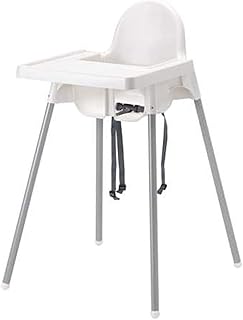
High chairs are perhaps the most recognisable type, designed primarily for feeding during infancy and toddlerhood. They typically feature raised seats, safety harnesses, and detachable trays to bring babies up to table height. There are traditional wooden frames that lend a sense of heritage to the nursery as well as modern versions constructed from lightweight, wipeable plastics for maximum practicality. Some high chairs offer multiple reclining positions and can collapse for easy storage, whilst others are designed to be robust enough to handle many years of use and even pass down to siblings. The focus is invariably on safety and hygiene, as mealtime for babies can be quite messy.
Rocking Chairs and Gliders
These chairs are icons of nursery design, beloved for their soothing back-and-forth motion. A rocking chair or glider is rarely for the baby alone—instead, it is where parents or carers hold their infant for feeding, cuddling, or bedtime stories. The gentle movement helps lull many babies to sleep, creating cherished bonding moments in the early months and years. Gliders differ from traditional rockers in that they move in a smooth sliding motion, which some find easier to control in smaller spaces. Padded seat cushions and supportive armrests are central to prolonged comfort, especially during late-night feeds.
Bouncers and Baby Swings
Bouncers and baby swings are a mainstay for very young infants. They are built with a slight recline and springy frame, enabling natural bouncing movements triggered by the child’s own kicks or gentle pushes from parents. Many models include toy bars, vibration settings, or music features to stimulate a baby’s senses. Swings incorporate motorised features for automatic rocking, making them especially useful for soothing fussy babies. Both bouncers and swings are generally recommended for short, supervised use, but are invaluable tools for parents needing hands-free moments.
Booster Seats
Booster seats are compact and portable, designed to make dining at the family table possible once babies are old enough to sit securely with minimal support. They attach to standard kitchen or dining chairs and usually have adjustable straps and trays. Their small footprint makes them ideal for travel, visiting relatives, or small flats. Many families find booster seats indispensable as children transition from high chairs but are not quite ready for adult furniture.
Convertible Chairs
Convertible baby chairs are engineered to evolve with your child. These versatile designs often start as high chairs and transform into booster seats or even child-sized chairs for playtime and arts and crafts. With growing awareness of sustainability and value, more parents opt for these multi-stage solutions to avoid the expense and clutter of multiple pieces of equipment. High-quality convertible chairs represent a long-term investment, though parents should pay careful attention to assembly and regular maintenance to ensure continued safety.
People Also Look For:
- Graco SnackEase quick one-hand folding highchair, lightweight at only 6.3kg and comes with 3 recline positions for babies comfort,...
- Badabulle Folding Baby Bouncer Chair Lichen - Adjustable Padded Backrest - Fixed or Rocker - 3-point safety harness - Detachable p...
- Red Kite Feed Me Lolo Luxury Six Height Adjustable Hi-Lo Highchair, Soft Grey/White
- COSTWAY Folding Highchair for Babies and Toddlers, Height Adjustable Baby Feeding Seat Recliner with Double Removable Tray, 5 Poin...
- HOMCOM Children Armchair Kids Sofa Tub Chair Seat Cartoon Dinosaur Pattern Bedroom Flannel Wooden Frame Non-slip Playroom Seater
Accent and Miniature Lounge Chairs
As babies become toddlers, low-level miniature lounge chairs become a comfortable and attractive choice. Whether covered in plush fabric, leatherette, or whimsical prints, these chairs accommodate independent sitting, reading, and lounging. Children love having a chair scaled to their size, which fosters independence and contributes to the emotional warmth of a nursery. These accent chairs are available in a multitude of colours and motifs, from classic neutral tones to bold character-themed options that delight young children.
Key Benefits of Integrating Baby Chairs into Nursery Spaces
The presence of thoughtfully chosen baby chairs in the nursery extends well beyond aesthetics. Their benefits, backed by child development experts and paediatricians, are far reaching—impacting posture, safety, routine, and parent-child bonding.
Supporting Healthy Development
From birth onwards, appropriate seating has significant influence on musculoskeletal growth. High chairs and supportive baby seats promote good posture and gently encourage the strengthening of core muscles. Bouncers allow safe practice of kicking and arm movement, while lounge chairs for older toddlers make transitioning to upright sitting much easier. Proper support during feeding also reduces the risk of choking and encourages effective swallowing habits.
Encouraging Social Engagement
Family meals are an opportunity for babies to observe, imitate, and participate in social settings. When seated at height with adults, either in a high chair or a booster, babies pick up visual cues and early table manners. Nursery rockers and gliders, meanwhile, are places for interactive story time or quiet chats, foundational for language development and emotional bonding.
Safety and Security
Every reputable baby chair is constructed to meet rigorous safety standards. Features like five-point harnesses, anti-tip bases, stable straps, and non-toxic finishes are essential in reducing the risk of accidents. When parents choose a chair suitable for their child’s age and weight, they provide a trusted spot for tasks that demand temporary hands-free time, such as preparing meals or answering the door.
Convenience and Parent Comfort
Modern baby chairs are designed with the parent’s comfort firmly in mind. Rockers and gliders cushion tired bodies during long feeds or restless nights. High chairs and booster seats minimise mess by containing crumbs and spillages. The right combination of easy-to-clean surfaces, recline functions, and portability simplifies daily care and organisation.
Fostering Independence
A nursery equipped with accent or lounge chairs scaled for toddlers provides them with a sense of ownership over their space. Children learn to sit, relax, and even tidy up after themselves when they have furniture made just for them. This empowerment supports both fine and gross motor skill development as well as self-confidence.
Key Considerations for Selecting the Best Baby Chair
The sheer variety of choices can seem daunting, but a few central considerations will help narrow your search. Always begin with safety certification, ensuring any chair you buy meets British or European standards relevant to children’s products. Next, prioritise adjustability and longevity, considering whether the chair can adapt as your child grows. Consider ease of cleaning, since baby and toddler mess is inevitable. Think about the materials used—solid wood, responsibly-sourced plastics, or eco-friendly fabrics—and their alignment with any health, environmental, or design preferences you may hold. Finally, keep in mind the space available in your nursery and how the chair's size and function will both serve your child and fit alongside other essential furniture.
Creating a Cosy and Functional Nursery Space with Baby Chairs
Integrating a baby chair into the nursery should be a thoughtful process, taking into account aesthetics, traffic flow, and comfort for both parent and child. Begin by identifying the key activities that will take place in the room. Will there be frequent feeding sessions? Is the space used for playdates or quiet reading? Do you need to accommodate visiting relatives or siblings? The answers to these questions will shape your final selection and placement strategy.
Harmonising Baby Chairs with Nursery Design
Today’s baby chairs come in a wide array of colours, designs, and finishes that can either complement or accentuate your chosen nursery theme. For a Scandinavian-inspired space, natural wood and minimalist upholstery pair beautifully with pale, soothing hues. Those opting for a traditional British style may favour hand-painted or antique-look rocking chairs with soft, classic prints. Bold, contemporary nurseries often feature chairs with geometric patterns or pops of primary colour, serving as visual focal points that stimulate babies’ developing sight.
Creating Zones for Routine and Comfort
The most effective nurseries are divided into distinct zones: feeding, play, sleep, and changing. Placing a rocker or glider beside the cot supports bedtime rituals, allowing for easy transitions from feeding to sleep. High chairs and bouncers can occupy a corner near windows, so baby can enjoy natural light and observe activity outdoors or within the family home. Accent chairs and miniature lounges can anchor a soft play area, encouraging supervised independence and imaginative exploration within a safe perimeter.
Ensuring Safe Use and Smart Traffic Flow
Always ensure that whichever chair you choose does not block movement or emergency exits. For multi-child rooms, provide sufficient space between chairs and larger furniture to prevent pinched fingers or accidental bumps. Chairs should never be placed directly below shelves or storage fixtures that could fall or be reached by an adventurous toddler. Anti-tip pads beneath heavier rockers can protect floors and provide extra stability for especially lively households.
Personalising the Space with Soft Furnishings
A baby chair instantly becomes more inviting when draped with a soft, washable blanket, or topped with a decorative cushion. This not only ups the comfort factor during feeds and cuddle time, but introduces textures and patterns to stimulate the senses. For miniature armchairs, provide a favourite soft toy or transitional object to help your child settle in and build positive associations with independent sitting.
Caring for Your Baby Chair: Maintenance and Longevity
The best baby chairs are built for durability, but their lifespan depends heavily on regular, appropriate maintenance. Follow manufacturer instructions for cleaning and tightening loose fixings. Wipe non-fabric surfaces after every meal or play session, and regularly launder removable covers or straps to keep the chair hygienic. For rocking chairs or gliders, check that any moving parts remain silent and stable by tightening bolts as necessary, and lubricate glider tracks or joints with appropriate products as recommended by the supplier. With proper care, many baby chairs become heirlooms, cherished for their role in early years’ memories and passed down to future siblings or relatives.
Current Trends in Baby Chair Design
Over the past decade, nursery and baby furniture design have shifted towards multi-purpose products, minimalist lines, and an emphasis on eco-friendly materials. Many modern high chairs evolve smoothly into toddler and child seating, embracing adaptability. Ethical manufacturing is increasingly important for British families, with more brands displaying accreditations for low-emissions, responsibly sourced timber, or fabrics free from harmful chemicals. At the same time, the market has expanded to recognise diverse lifestyles. Compact folding designs make city living easier, whilst plush, enveloping accent chairs warm up spacious suburban nurseries. Retro-inspired details are also making a comeback, including wicker rockers and padded chairs reminiscent of mid-century living rooms, albeit updated for today’s safety standards.
Common Mistakes Parents Make When Choosing and Using Baby Chairs
It is easy to be seduced by visually stunning baby chairs, but as a seasoned journalist, I have encountered numerous stories where looks were prioritised over function. One common error is selecting a chair that does not accommodate a child’s age, weight, or developmental needs. Using high chairs before a baby can sit unsupported, or relying on bouncers past the recommended age, risks injury. Similarly, opting for difficult-to-clean upholstery or finishes results in frustration as the reality of baby and toddler living sets in. Ill-fitting harnesses, poorly maintained moving parts, and neglecting to anchor booster seats to regular chairs can lead to daily safety hazards.
Another pitfall is crowding a nursery with too many speciality chairs, which reduces safe play space and leads to clutter. Purchasing one or two versatile, high-quality chairs often proves more practical than multiple single-stage options. Equally, ignoring the style and atmosphere of your home may result in a chair that feels jarringly out of place, undermining your efforts to cultivate a cohesive and calm nursery sanctuary.
Tips for Transitioning from Baby Chair to “Big Kid” Seating
One of the final milestones in your child’s nursery journey is the transition from baby seating to more independent child-sized or adult furniture. This change is often met with excitement and trepidation. Begin the process gradually, introducing the new chair at mealtimes or quiet moments, with plenty of encouragement and reassurance. Many convertible chairs allow for this process with intermediate steps, maintaining a sense of familiarity for the child. Allow your child to personalise their new seat with chosen cushions or small decorations to foster excitement about the transition.
During this period, continue to supervise for safe use and monitor for posture and adjustment requirements. Remind your child gently about expectations relating to sitting safely, and reinforce positive behaviours. Many families find this chapter to be a bittersweet one, marking the passage of time, but the investment in a thoughtfully chosen baby chair continues to pay emotional, developmental, and practical dividends.
Conclusion
Choosing, utilising, and caring for baby chairs is far from a mere matter of ticking boxes on a nursery checklist. The baby chair is a central figure in the early years, facilitating safe engagement, restful moments, family meals, and skill development. By understanding the types available, their unique advantages, and the best practices for placement and maintenance within the nursery, parents and carers across the United Kingdom can create spaces that nurture joy, connection, and independence. The right baby chair is more than furniture—it is a witness and facilitator of childhood’s most precious milestones, anchoring your family’s routines in comfort, security, and a touch of style that reflects the heart of your home.