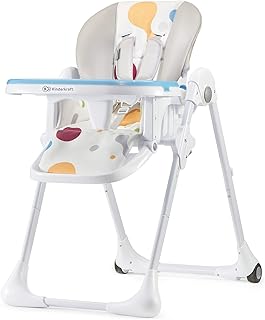
Baby Chair Safety Standards in the UK 2026
As parents, ensuring the safety of our children is a top priority. Baby chairs are essential items in many households, providing a safe space for infants to sit while enjoying meals or playtime. However, not all baby chairs are created equal, and understanding the safety standards in place can help parents make informed choices. In 2026, the UK will implement updated safety regulations that every parent should know about. This article delves into the key aspects of baby chair safety standards in the UK and what parents need to consider when selecting a chair for their little ones.
Understanding Current Safety Standards
In the UK, baby chair safety is regulated by several standards aimed at protecting children from potential hazards. These standards are developed by organizations such as the British Standards Institution and are aligned with European regulations. The primary purpose of these standards is to ensure that baby chairs are stable, safe, and constructed from non-toxic materials.
Parents should be aware that safety standards may vary based on the type of baby chair. High chairs, booster seats, and infant seats each have specific requirements. For instance, high chairs must be equipped with safety harnesses to prevent children from standing or climbing out. Additionally, stability is crucial; a chair that tips over easily poses a significant risk.
Key Safety Features
When evaluating baby chairs, parents should look for several critical safety features that align with the latest regulations:
- Safety harnesses: A secure harness system is essential to prevent accidental falls.
- Stability: The chair should have a wide base to minimize the risk of tipping.
- Material safety: Non-toxic materials are vital to ensure that the chair is safe for infants.
- Adjustable components: Chairs that can be adjusted for height or recline can provide better comfort and safety.
New Regulations Coming in 2026
The year 2026 will usher in new regulations that will enhance the safety framework for baby chairs. These regulations will build upon existing guidelines and introduce stricter testing procedures. One significant change will be the requirement for all baby chairs to undergo rigorous testing for stability and durability. This means that manufacturers will need to provide proof that their products can withstand everyday use without compromising safety.
People Also Look For:
- rucomfy Beanbags Gaga Baby Bean Bag Support Chair Lounger with Safety Harness for 0-6 Month Old - Pre Filled Safe Cuddle Soft Recl...
- Baby High Chair 3 in 1 Highchair Adjustable Folding Baby Chairs with Multiple Height and 3 Position Backrest Rocking Reclining Sea...
- Maxmass Baby Highchair, 6 in 1 Convertible Infant Feeding Chair with 5-Point Harness and Adjustable & Removable Tray, Toddler Dini...
- Jovikids I-Size Booster Seat for Car with ISOFIX, 125-150cm (Group 2/3, 6-12 Years), Portable Car Seats for Kids, Convenient for E...
- 2-in-1 Kids Sofa Bed - Convertible Toddler Chair with Side Pockets & Removable Cover, Lightweight Folding Kids Couch Perfect for P...
Another important aspect of the 2026 regulations is the emphasis on consumer education. Manufacturers will be mandated to provide clear instructions on assembly, use, and maintenance. This will help parents understand how to properly use the chair and what safety precautions to take.
Potential Impacts on Manufacturers
Manufacturers will need to adapt to these new regulations, which may lead to changes in design, materials, and marketing strategies. Companies that prioritize safety in their product development will likely have a competitive advantage. For example, brands that utilize sustainable materials and innovative designs that enhance safety are expected to lead the market.
Moreover, manufacturers may also face increased costs due to the need for more extensive testing and compliance measures. However, these costs can be offset by the growing consumer demand for safe and reliable baby products. Parents are becoming more informed and are actively seeking products that meet or exceed safety standards.
Choosing the Right Baby Chair
With numerous options available in the market, selecting the right baby chair can be overwhelming. Parents should start by researching brands that adhere to the latest safety standards. Look for certifications and labels that indicate compliance with UK regulations. Additionally, reading reviews from other parents can provide insights into the chair's performance and safety.
Testing the chair in-store can also be beneficial. Ensure that the chair is stable and the harness system is easy to use. Consider the chair's height and whether it fits well with your dining table or kitchen counter. An ideal baby chair should be versatile and cater to your family's needs.
Real World Examples
For instance, a popular brand known for its commitment to safety recently released a high chair that meets the upcoming 2026 standards. This chair features an innovative four-point harness system and a wider base for stability. Parents have reported feeling more secure using this chair, knowing it conforms to the latest safety requirements.
Another example includes a booster seat that has received accolades for its lightweight design and robust safety features. It is easy to transport and fits securely on various dining chairs, providing parents with flexibility without sacrificing safety.
Conclusion on Ongoing Safety Awareness
As the landscape of baby chair safety continues to evolve, parents must remain vigilant and informed. Keeping abreast of the latest regulations and standards is crucial for ensuring the well-being of children. Additionally, engaging with parenting communities can provide valuable insights into safe product choices and experiences. By prioritizing safety and staying informed, parents can create a secure environment for their little ones.