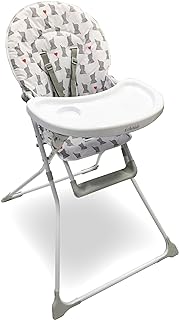
Budget vs Premium Baby Chairs Is Extra Cost Worth It
When it comes to choosing baby chairs, parents face the dilemma of selecting between budget and premium options. The market offers a wide variety of chairs, each claiming to provide comfort, safety, and style. However, the key question remains: is the extra cost associated with premium baby chairs justified? This article delves into the essential factors that differentiate budget chairs from their premium counterparts, examining materials, safety features, and long-term value.
Material Quality and Durability
The material used in baby chairs significantly influences their durability and overall comfort. Budget baby chairs often utilize lower quality plastics and fabrics, which may not withstand the test of time or the wear and tear from daily use. In contrast, premium baby chairs are typically crafted from high-grade materials that offer enhanced durability. For instance, a premium chair might feature a solid wood frame and breathable fabric, ensuring it remains intact through various stages of a child's growth.
Consider a scenario where a family invests in a budget chair. After a few months, they may notice the chair showing signs of wear, such as fraying fabric or unstable legs. Conversely, a premium chair purchased for a higher price may not only last longer but also maintain its aesthetic appeal over time. Parents often find that spending more upfront on a premium chair can save them from the hassle and expense of frequent replacements.
Comfort and Ergonomics
Comfort is a critical aspect when selecting a baby chair. Babies spend considerable time in these chairs, whether feeding or relaxing. Budget chairs may lack ergonomic design, leading to discomfort for the child. Premium baby chairs, however, are designed with the child's posture in mind, ensuring they receive proper support. This consideration is especially important during the early months when babies are still developing their muscles.
For example, a premium chair might feature adjustable seating positions, allowing parents to customize the chair according to their child's needs. This flexibility not only enhances comfort but also promotes healthy development. Parents should evaluate how the chair's design aligns with their child's developmental milestones, ensuring that it meets both comfort and ergonomic needs.
People Also Look For:
- My Babiie Booster Lite R129 Car Seat - Lightweight at 1kg, Approx. 6-12 Years (125-150cm, 22-36kg), i-Size Backless Child Car Seat...
- Jovikids I-Size Booster Seat for Car with ISOFIX, 125-150cm (Group 2/3, 6-12 Years), Portable Car Seats for Kids, Convenient for E...
- APRAMO FLIPPA Dining Booster Chair, Baby Toddler Folding Portable Booster Feeding Seat for Children 6 Months to 3 Years Approx. 15...
- Little Bambino High Chair Baby Toddler, Removable Double Layer Tray, 5-Point Harness, Foldable Easy Storage, Adjustable Height Leg...
- Maxmass Adjustable Baby High Chair, Toddler Dining Seats with 5-Point Safety Belt, Removable Tray, PU Cushion and Beech Feet, Boos...
Safety Features
Safety is paramount when selecting baby furniture. Budget baby chairs often lack comprehensive safety features, which can lead to potential hazards. Premium options typically include advanced safety mechanisms such as secure harness systems and non-slip bases. These features are crucial for preventing accidents during feeding or playtime.
Consider a situation where a parent uses a budget chair with minimal safety features. They might experience anxiety every time their child moves around in the chair, fearing it may tip over. In contrast, a premium chair equipped with a five-point harness provides peace of mind, allowing parents to focus on creating enjoyable moments rather than worrying about safety.
Long-Term Investment Value
Investing in a premium baby chair can be viewed as a long-term investment. While the initial cost is higher, parents should consider the potential savings over time. Premium chairs often come with warranties and are designed to adapt as the child grows. This adaptability can eliminate the need to purchase multiple chairs as the child transitions from infancy to toddlerhood.
For instance, a premium chair may convert from a high chair to a booster seat, providing continued use as the child matures. In contrast, a budget chair may only serve its purpose for a limited time, necessitating further purchases. Parents should weigh the long-term benefits against the initial costs, recognizing that a premium chair can be a wise financial decision.
Design and Aesthetic Appeal
The design and aesthetic appeal of baby chairs should not be overlooked. Parents often seek chairs that complement their home decor while providing functionality. Budget chairs may offer limited design options, which might not align with a family's style preferences. Premium chairs, on the other hand, are available in various designs, colors, and finishes, allowing parents to select options that enhance their living space.
Imagine a family hosting guests and showcasing their stylish premium baby chair. The chair not only serves its primary function but also adds elegance to the room. This duality of purpose is often a significant advantage of investing in premium products. Parents should consider how the design of the chair will fit within their home and lifestyle, prioritizing aesthetic value alongside functionality.
Brand Reputation and Customer Reviews
When evaluating baby chairs, it is essential to consider brand reputation and customer reviews. Premium brands often have established reputations for quality, safety, and customer service. Reading reviews from other parents provides insights into their experiences, helping prospective buyers make informed decisions. Budget brands may have enticing price points, but they often lack the same level of trust and reliability.
For instance, a premium brand may have numerous testimonials highlighting the longevity and safety of their chairs. Parents should seek out reviews that discuss real-world usage, noting any potential concerns or praises. This research can significantly influence the decision-making process.
Conclusion
Ultimately, the choice between budget and premium baby chairs hinges on various factors, including material quality, safety features, long-term value, and design. Parents must assess their specific needs, preferences, and budgets when making this important decision. By understanding the benefits associated with premium baby chairs, families can make informed choices that prioritize their child's comfort and safety.