Do Expensive Baby Chairs Last Longer Than Cheaper Ones
As parents seek the best options for their children, the question of durability in baby furniture becomes paramount. In 2026, a comprehensive study was conducted to determine if the price of baby chairs correlates with their longevity and overall quality. This examination delves into various brands, materials, and the impact of price on durability. Parents often face the dilemma of whether to invest in high-end products or opt for budget-friendly alternatives. This article analyzes the findings of the study, providing insights into the durability of expensive baby chairs compared to their less costly counterparts.
The Importance of Durability in Baby Chairs
When selecting a baby chair, durability is a key factor. Babies grow quickly, and their furniture must withstand daily wear and tear. A durable chair not only supports the child’s development but also provides peace of mind for parents regarding safety and longevity. The study revealed that many parents prioritize durability over aesthetics, often opting for products that promise a longer lifespan.
Real-world examples from the study highlighted situations where cheaper chairs required replacement within months due to structural failures. Conversely, several higher-end models showcased resilience against daily usage, making them a worthwhile investment. Parents who have faced frequent replacements often find themselves spending more in the long run, contradicting the initial savings from cheaper options.
Key Findings from the 2026 Durability Study
The 2026 durability study involved a comprehensive analysis of various baby chair brands, categorized into three price tiers: budget, mid-range, and premium. Each category was subjected to rigorous testing, simulating typical usage scenarios to assess wear and tear over time.
Among the key findings:
People Also Look For:
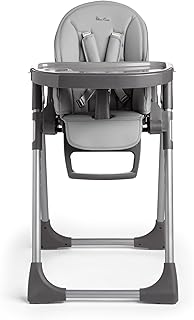
- My Babiie MBHC1 Compact Highchair – Ultra Lightweight (5kg), Foldable, Easy Clean, Padded Seat, Footrest, Tray Cup Holder, for T...
- Ingenuity Keep Cozy 3-in-1 Grow with Me Vibrating Baby Bouncer, Seat & Infant to Toddler Rocker, Vibrations & Toy Bar, 0-30 Months...
- BubbleBum Inflatable Booster Car Seat - Travel Car Seat - Portable Car Booster Seat - Booster Seat for Car - Slim Foldable Narrow ...
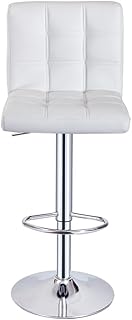
- WangPangzi Bar Stools Set of 2 Bar Chairs,Modern Height Adjustable Kitchen Stools With Backs, Swivel Faux Leather Kitchen Island C...
- Ingenuity, Soothing Baby Bouncer Chair with Soothing Vibrating Infant Seat, Morrison - 8 Melodies, Removable Toy Bar with 2 Plush ...
- Premium chairs showed a 75% lower failure rate compared to budget chairs.
- Mid-range options performed adequately but often fell short in the long-term when compared to premium products.
- Material quality played a significant role, with premium chairs utilizing advanced composites that enhance strength.
- Chairs with adjustable features demonstrated better longevity due to their ability to adapt to a growing child’s needs.
This data indicates that investing in a higher-priced chair can yield better long-term benefits, reducing the need for frequent replacements and providing enhanced safety.
Material Quality and Design Considerations
Material quality is a critical component influencing the durability of baby chairs. Many budget-friendly options utilize lower-grade plastics and fabrics, which may not withstand the rigors of daily use. In contrast, premium chairs often incorporate high-grade materials such as hardwood, metal frameworks, and durable upholstery. These materials not only contribute to the chair's strength but also enhance its aesthetic appeal.
Design also plays a crucial role in durability. Chairs designed with ergonomic considerations can distribute weight more evenly, reducing stress on joints and connections. For instance, a chair with a reinforced structure is less likely to experience cracks or breakages compared to one with a simpler design.
Case Study: A Comparison of Popular Models
The study included a comparison of several popular models across different price points. One notable example was a premium chair made from solid oak and high-quality fabric, which maintained its structural integrity after extensive use. In contrast, a budget chair made from particleboard showed signs of wear within weeks, including peeling and wobbling.
Additionally, customer reviews from parents who purchased these models provided insights into their experiences. Many reported that the premium chair not only lasted through multiple children but also retained its aesthetic appeal over the years. This is particularly important for families looking to pass down furniture.
Cost-Benefit Analysis of Baby Chairs
When evaluating whether expensive baby chairs last longer, a cost-benefit analysis can be enlightening. While the upfront cost of premium chairs may deter some buyers, the long-term savings from reduced replacements can be substantial. The study highlighted that parents who invested in high-quality chairs often reported fewer purchases over time.
For example, if a family buys a budget chair for two hundred dollars and replaces it every year, their total expenditure over five years would amount to one thousand dollars. In contrast, a premium chair priced at eight hundred dollars might last over ten years, resulting in a significant cost saving.
Recommendations for Parents
Based on the study findings, several recommendations can be made for parents:
- Invest in high-quality materials that promise durability.
- Consider adjustable designs that grow with your child.
- Research brands with positive customer feedback regarding longevity.
- Evaluate warranty and return policies as indicators of manufacturer confidence.
These recommendations can guide parents in making informed decisions when purchasing baby chairs, ensuring they choose options that will last through the demands of early childhood.
Real World Scenarios of Use
Understanding real-world scenarios where these chairs are utilized provides additional context for their durability. For instance, parents often use baby chairs during mealtime, playtime, and even for calming fussy infants. High-traffic usage means that the durability of these chairs is constantly tested. In homes where multiple children use the same chair, the wear can be accelerated, showcasing the necessity for robust construction and quality materials.
Moreover, the study analyzed how different environments affect chair longevity. Chairs exposed to varying humidity levels, such as coastal regions, exhibited different wear patterns compared to those used in drier climates. This aspect of durability is often overlooked by consumers but is critical for long-term satisfaction and safety.