Baby Chair Myths Debunked What Parents Need to Know
As new parents navigate the world of baby products, they often encounter a plethora of information. Some of this information comes from well-meaning friends and family, while other sources may be misleading. Baby chairs, in particular, are surrounded by numerous myths that can confuse parents. Understanding the truth about these products is crucial for ensuring the safety and comfort of infants. This article aims to debunk common myths surrounding baby chairs and equip parents with the knowledge they need.
Understanding Baby Chair Types
Before diving into the myths, it is essential to understand the various types of baby chairs available on the market. Baby chairs can generally be categorized into three main types: high chairs, booster seats, and infant seats. Each type serves a different purpose and is designed for specific stages of a child's development.
High Chairs
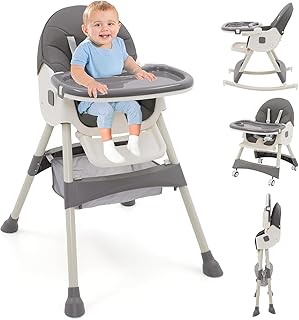
High chairs are designed for infants who can sit up independently, typically around six months old. These chairs allow babies to join family meals and learn to eat solids. High chairs come with adjustable features such as height, reclining positions, and removable trays. When selecting a high chair, parents should look for safety features like a five-point harness and a sturdy base. For example, a family might choose a high chair with a removable tray for easy cleaning, allowing them to maintain a tidy dining area while their child enjoys meals.
Booster Seats
Booster seats are designed for toddlers who have outgrown high chairs but still require additional height to sit at the table comfortably. They can be attached to regular dining chairs and often include safety straps. Parents should ensure that the booster seat is stable and has a secure attachment to the chair. For instance, a parent might find that using a booster seat allows their child to participate in family dinners more effectively, fostering a sense of inclusion.
Infant Seats
Infant seats, also known as bouncers or rockers, are designed for younger babies who cannot sit up independently. These seats often come with features like vibrations and music to soothe babies. It's important for parents to supervise their infants while using these seats, as prolonged use can lead to safety concerns. For example, a parent might use an infant seat during short periods to keep their baby entertained while preparing meals.
People Also Look For:
- Nuby Penguin Sit-Me-Up Baby Seat – Inflatable Sit & Play Floor Seat | Detachable Tray | Machine Washable | Suitable from 6 Month...
- Munchkin Bluetooth Enabled Lightweight Baby Swing with Natural Sway in 5 Speeds and Remote Control, Cotton, Grey/White, 1 Count (P...
- Ingenuity SmartClean Toddler Booster Seat, Slate, Dining and Feeding Seat for Toddlers, Lightweight for Travel, Easy to Clean, 3-P...
- My Babiie MBHC8 Premium Highchair Seat Cover Only with 5-Point Harness - Padded PVC Seat Cover, Easy Clean, Seat Cushion Compatibl...
- Dhqkqg Baby Inflatable Seat for 3-36 Months, Built-in Air Pump, Back Support Sofa for Sitting Up, Blow Up Chair for Toddlers and K...
Common Myths About Baby Chairs
Myths surrounding baby chairs can lead to misconceptions that may affect a child's safety and well-being. Addressing these myths is crucial for informed decision-making. Here are some of the most prevalent myths.
Myth One Baby Chairs Are Dangerous for Infants
One of the most common myths is that all baby chairs are unsafe for infants. While it is true that improper use of any baby product can pose risks, reputable brands adhere to strict safety standards. Parents should always follow manufacturer guidelines and ensure that the chair is appropriate for their child's age and size. For example, using a high chair with a five-point harness can significantly reduce the risk of falls. Additionally, parents should avoid using chairs that are not designed for infants, as these can pose serious safety hazards.
Myth Two Babies Should Be Restrained in Chairs for Long Periods
Another widespread belief is that babies should be kept restrained in chairs for extended periods to promote better posture. This myth is misleading and potentially harmful. Experts recommend that infants should spend limited time in seated positions, as prolonged confinement can impede natural development. For instance, a parent might choose to limit their baby's time in a high chair during meals and provide opportunities for tummy time and floor play to encourage physical development.
Myth Three All Baby Chairs Are the Same
Many parents mistakenly believe that all baby chairs serve the same purpose and are interchangeable. In reality, each type of baby chair is designed for a specific age group and stage of development. Choosing the right chair is essential for ensuring comfort and safety. For example, a high chair is suitable for feeding, while an infant seat is better for providing a safe space for younger babies to relax. Parents should assess their child's needs and choose a chair accordingly.
Choosing the Right Baby Chair
When selecting a baby chair, several factors should be considered to ensure the best fit for the child and family. First and foremost, safety features should be a priority. Look for chairs that meet current safety standards and regulations. Check for a sturdy construction and a secure harness system. Additionally, consider the chair's adjustability. As children grow, having a chair that can adapt to their changing needs is beneficial.
Safety Features
Safety features are paramount when selecting a baby chair. A five-point harness is essential for high chairs and booster seats to ensure that the child is securely fastened. Parents should also inspect the chair for stability and whether it has a wide base to prevent tipping. For instance, a family might prioritize a high chair that has non-slip feet to enhance safety during mealtime.
Ease of Cleaning
Parents should consider how easy it is to clean the chair, as spills and messes are inevitable with babies. Removable and washable seat covers can save time and effort. Additionally, selecting a chair with a smooth surface can help in quick cleanups. For example, a parent might find it convenient to have a high chair that can be wiped down easily after meals, making mealtime less stressful.
Comfort and Support
Comfort should not be overlooked when choosing a baby chair. Cushioned seats and adequate back support are vital for a child's comfort during use. Parents should also consider the chair's design to ensure it supports the child's posture. For instance, a high chair with adjustable backrest positions can provide added comfort for children during meals.
Real World Examples of Baby Chair Use
Understanding how baby chairs are utilized in real-world scenarios can provide valuable insights for parents. For instance, a family may find that using a high chair during family dinners fosters a sense of togetherness. By allowing their child to sit at the table, they create opportunities for social interaction and learning. Similarly, a parent might use an infant seat to provide a safe space for their baby while completing household tasks, ensuring that the infant is secure and entertained.
In another scenario, a busy parent may discover that a booster seat allows their toddler to join in at meal times without needing a separate high chair. This adaptability can save space in smaller homes while still promoting family bonding during meals.