How to Identify a Low Quality Baby Chair
When selecting a baby chair, parents and caregivers face the challenge of ensuring safety and comfort for their little ones. The market is flooded with numerous options, making it essential to discern which chairs are of high quality and which ones may pose risks. Understanding how to spot a poor-quality baby chair can save you from potential hazards and promote a secure environment for your child.
Materials and Construction Quality
The first aspect to consider when evaluating a baby chair is the materials used in its construction. High-quality baby chairs are typically made from durable materials that can withstand daily use without showing signs of wear. Look for chairs constructed from solid wood or high-grade plastic rather than flimsy materials that can easily break or warp.
Additionally, pay close attention to the fabric used in padded chairs. Opt for chairs that feature non-toxic and hypoallergenic fabrics, especially for babies with sensitive skin. The stitching should also be tight and even, as loose threads can be a choking hazard. Inspecting the overall construction quality helps to ensure that the chair will last and provide a safe seating option for your child.
Testing Stability and Weight Capacity
Stability is crucial in any baby chair. A chair that tips over easily can lead to serious injuries. To test stability, gently push the chair from different angles. A well-constructed baby chair should remain stable and not wobble. Additionally, always check the weight capacity specified by the manufacturer. A chair designed for infants may not be suitable for toddlers, leading to potential accidents.
Safety Features and Compliance
Safety features are paramount when choosing a baby chair. Look for chairs equipped with safety harnesses that secure the child safely in place. These harnesses should be adjustable and easy to use. A five-point harness is preferable, as it offers more security compared to a three-point harness.
People Also Look For:
- My Babiie Booster Lite R129 Car Seat - Lightweight at 1kg, Approx. 6-12 Years (125-150cm, 22-36kg), i-Size Backless Child Car Seat...
- Badabulle Easy Baby Bouncer, baby chair, baby rocker
- Chicco Pocket Snack Children\'s Booster Seat, Dark Grey | 6m-3y (15 kg), Portable, Adjustable High Chair, Compact, Removable Tray
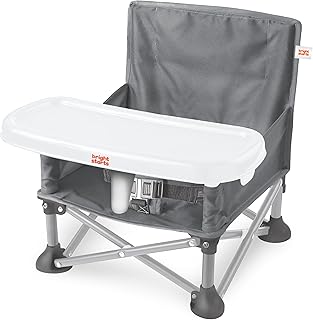
- Bright Starts Pop \'N Sit Portable Booster, Indoor/Outdoor Use, Floor Seat with Feeding Tray, Grey, 6 Mos - 3 Yrs
- Babyco Snack n Munch Baby High Chair, Reclining Highchair, Foldable, with Adjustable Height, Footrest, Detachable Feeding Tray fro...
Moreover, ensure that the baby chair complies with safety standards set by relevant authorities. In many countries, baby products must meet specific safety regulations. Check for certifications or labels indicating compliance with these standards. This compliance is not just a suggestion; it often reflects rigorous testing to ensure the chair is safe for use.
Examining User Reviews and Ratings
Leveraging user reviews is an excellent way to gauge the quality of a baby chair before purchasing. Look for reviews from other parents who have used the product. Focus on feedback regarding durability, comfort, and safety features. A product with numerous negative reviews concerning quality should raise red flags.
Consider using review aggregators or trusted parenting forums where parents share their experiences. This real-world insight can provide invaluable information that may not be readily available in product descriptions. Reviews can highlight potential issues that may not be apparent during a brief inspection.
Price vs Quality Assessment
While it can be tempting to choose the cheapest option available, low prices often correlate with low quality. High-quality baby chairs may come with a higher price tag; however, investing in a reliable chair ensures safety and longevity. Consider the cost as part of the overall value. A quality chair may save you money in the long run by not needing replacements.
When assessing price, compare similar models across different brands. Understanding the features offered at varying price points can help you make an informed decision. Sometimes, spending a little more can result in a significantly better product.
Where to Buy Baby Chairs
Choosing the right retailer is equally important as selecting the right chair. Purchase baby chairs from reputable stores or websites known for quality baby products. Retailers that specialize in baby gear often have stringent quality control measures and can offer expert advice. Avoid purchasing from unknown online marketplaces that may not provide reliable products.
Inspecting the Design and Usability
The design of a baby chair should not only be aesthetically pleasing but also functional. Look for features that enhance usability, such as easy-to-clean surfaces and portability. Baby chairs that fold easily for storage or travel can be beneficial for families on the go.
Consider how the chair fits into your home environment. Will it be used primarily at the dining table, or will it serve as a secondary chair in the living room? Choosing a chair that complements your space while providing functionality is key. Additionally, assess how easy it is to assemble the chair. Complicated assembly instructions can lead to frustration and may indicate poor design.
Comparing Different Brands
Different brands may offer various features and benefits. Conduct thorough research on the top-rated baby chair brands in the market. Brands with a long history and positive reputation are more likely to produce quality products. Check if they offer warranties or satisfaction guarantees, which can provide peace of mind.
Gather as much information as possible about the brands you are considering. Look for comparisons of their products and see how they stack up against each other. This diligence can help steer you towards brands that prioritize safety and quality, ensuring you make a sound investment in your child's well-being.