How Long Should Baby Use High Chair Age by Age Guide
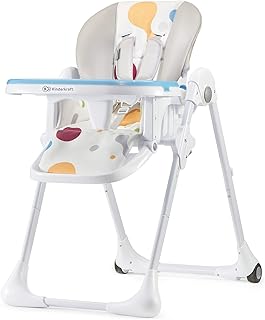
When it comes to feeding a baby, a high chair is an essential piece of furniture that aids in creating a safe and comfortable environment. Understanding how long a baby should use a high chair is crucial for both safety and developmental reasons. This guide explores the age ranges for high chair use and what parents need to know to ensure their child transitions smoothly through this important stage of growth.
Understanding High Chair Use
A high chair serves multiple purposes. It not only provides a designated space for babies during mealtime but also encourages independence as they learn to eat solids. As babies grow, their needs change, and so does the suitability of the high chair. Parents should be aware of the various developmental milestones that dictate when to transition away from the high chair.
Typically, babies start using high chairs between four to six months old, once they can sit up unassisted. However, the duration of use can vary significantly based on factors such as physical development and personal preference. Monitoring your child’s growth and readiness for the next stage is essential.
Age Ranges for High Chair Use
Here is a breakdown of age ranges and recommendations for high chair use:
- 4 to 6 Months: Most babies are ready to start solids around this age. A high chair is essential for feeding. Choose a model that provides proper support for their back and neck.
- 6 to 12 Months: At this age, babies are developing their fine motor skills. High chairs should allow for easy access to food and enable babies to practice self-feeding. Look for features such as adjustable trays and safety harnesses.
- 12 to 18 Months: As toddlers become more mobile, they may express a desire to leave the high chair. It is important to continue using it until they can sit safely on a regular chair without assistance.
- 18 Months to 3 Years: Many children will transition to a booster seat during this period. A high chair may still be beneficial for younger toddlers who require additional support.
Signs It Is Time to Transition
Parents should watch for specific signs that indicate it is time for their child to transition out of the high chair. These signs include:
People Also Look For:
- Bright Starts Wild Vibes Infant to Toddler Rocker with Vibrations, Unisex, Newborn +
- Mobiclinic® Kids, Travel Booster Seat, Monkey, Portable High Chair, Travel High Chair, 6 to 36 Months, Up to 15 kg(33 lb), Foldab...
- M.J COMFY-LIFE 3-in-1 Convertible Baby High Chair – Adjustable Toddler Feeding Chair with Removable Tray, 5-Point Harness, and W...
- HB.YE Baby Folding Dining Chair Portable High Multifunctional Child Little Seat Dining Aluminum Alloy Travel Compact Booster Seat ...
- Badabulle Folding Baby Bouncer Chair Lichen - Adjustable Padded Backrest - Fixed or Rocker - 3-point safety harness - Detachable p...
- The child can climb out of the high chair independently.
- They show resistance to sitting in the high chair.
- They can sit comfortably in a regular chair without support.
For example, consider a scenario where a 15-month-old child starts to stand up in their high chair during meals. This behavior signals that the child may be ready to explore a booster seat option. Parents should evaluate whether the child can maintain balance on a traditional chair while eating.
Safety Considerations When Using a High Chair
Safety is paramount when using a high chair. Parents should follow specific guidelines to ensure their child's well-being:
- Always use the safety harness provided. This feature is designed to keep the child secure and prevent falls.
- Regularly check for wear and tear on the high chair. Any loose parts should be addressed immediately.
- Never leave a child unattended in a high chair, even for a moment.
Consider a scenario where a parent leaves the room while their child is in the high chair. If the child manages to unbuckle themselves, the risk of falling increases significantly. Therefore, maintaining vigilance during mealtime is critical.
Choosing the Right High Chair
When selecting a high chair, parents should consider several factors to ensure they choose the best option for their baby’s needs:
- Safety features such as a five-point harness and sturdy construction.
- Ease of cleaning, as mealtime can get messy.
- Adjustability, which allows the chair to grow with the child.
- Portability if space is a concern.
For instance, a high chair with removable covers can save time during cleanup, allowing parents to focus on enjoying meals with their child. Additionally, adjustable height options can accommodate various table heights, ensuring the child can participate in family meals comfortably.
Transitioning Away from the High Chair
As children approach the age of two, many parents begin considering transitioning them away from the high chair. This process should be gradual and take into account the individual child's readiness. Parents can introduce a booster seat that keeps the child elevated while allowing them to engage more freely at the table. This transition also supports the development of independence.
Encouraging children to sit at the table during meals promotes social interaction and helps them learn proper table manners. It is important to provide guidance and support as they adapt to the new seating arrangement. Parents should be patient during this transition, as each child will adjust at their own pace.
In some cases, a child may still prefer the high chair for stability during meals, especially when they are still mastering the art of self-feeding. It is essential to respect their preferences while gently encouraging them to explore new options.
Overall, understanding how long a baby should use a high chair is not only about meeting physical needs but also about nurturing their development and independence as they grow. Monitoring their progress and readiness for change is key to facilitating a smooth transition that supports their growth and culinary exploration.