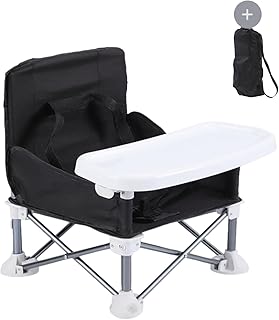
When Can Baby Sit in High Chair Expert Advice 2026
As a parent, knowing when your baby can safely transition to a high chair is essential for their development and safety. This decision involves understanding your baby's physical abilities and readiness to engage in mealtime alongside the family. In 2026, parents are presented with updated guidelines and expert advice to ensure that this milestone is achieved safely and effectively. This article delves into the critical factors that determine when a baby can sit in a high chair, what to look for in terms of readiness, and the safety considerations that must be taken into account.
Understanding Baby Readiness for High Chairs
Determining when your baby is ready for a high chair involves several developmental milestones. Typically, babies are ready to sit in a high chair between six to eight months of age. However, this can vary based on individual growth patterns. Key indicators of readiness include the ability to sit up independently without support, showing interest in solid foods, and being able to hold their head steady. Observing these signs will help you make an informed decision about introducing your baby to mealtime in a high chair.
For instance, consider a scenario where a baby named Emily is six months old. She has been showing keen interest in the food her parents eat, often reaching for it during meal times. Additionally, Emily can sit up straight in her crib and during playtime without assistance. In this case, her parents can confidently introduce her to the high chair.
Physical Developmental Milestones
Physical development plays a crucial role in determining high chair readiness. The following milestones are critical:
- Ability to sit up unassisted
- Good head and neck control
- Interest in food and mealtime
- Ability to swallow solid foods
Each baby develops at their own pace, and it is essential to consult with a pediatrician if you have any concerns about your child's readiness for a high chair. Pediatricians can provide guidance based on their growth charts and developmental assessments.
People Also Look For:
- My Babiie MBHC8 Premium Highchair – Adjustable, 3 Recline Positions, 6 Height Settings, Removable Tray, Padded Seat, Foldable, f...
- My Babiie MBHC8 Premium Highchair – Adjustable, 3 Recline Positions, 6 Height Settings, Removable Tray, Padded Seat, Foldable, f...
- Yoleo Portable High Chair for Babies and Toddlers, Baby Booster Seat for Dining Chair, 6 Months to 3 Years, 15 kg, Height Adjustab...
- Ingenuity, Baby Base 2-in-1 Seat, Night Sky, Booster Chair, Dining and Feeding Seat for Toddlers, Easy to Clean with Removable and...
- globakids I-Size Booster Car Seat - 125-150cm,Child Booster Seat,Comfortable, Compact & Lightweight,Portable Car Seats for Kids,EC...
Choosing the Right High Chair
Once you determine that your baby is ready to sit in a high chair, the next step is choosing the right one. High chairs come in various designs, materials, and safety features. It is vital to select a high chair that meets safety standards and provides comfort for your baby. Look for a high chair that:
- Has a stable base to prevent tipping
- Includes a safety harness to secure your baby
- Is adjustable for height and reclining
- Is easy to clean and maintain
For example, a wooden high chair may be aesthetically pleasing but lacks the adjustability of a modern high chair that can grow with your child. Parents should prioritize safety features over aesthetic appeal to ensure their baby's well-being during mealtime.
Safety Considerations
Safety considerations are paramount when introducing your baby to a high chair. Here are some essential safety tips:
- Always use the safety harness provided with the high chair.
- Never leave your baby unattended in the high chair.
- Ensure the high chair is on a flat surface to prevent tipping.
- Regularly check for any loose screws or wear and tear.
These precautions help to minimize risks and ensure a safe dining experience for your baby. For instance, if a parent leaves their baby unattended while they prepare food, there is a risk of the baby climbing out or tipping the chair over.
Introducing Solid Foods
Another vital aspect of high chair readiness is the introduction of solid foods. Babies typically start solid foods around six months of age, which coincides with the time they are ready for a high chair. It is crucial to follow guidelines from health professionals regarding what foods to introduce and when. Foods should be soft and easy to swallow, gradually increasing in texture as your baby becomes accustomed to eating solids.
For example, parents might start with pureed fruits and vegetables, progressing to mashed foods and eventually small pieces as their baby develops chewing skills. Monitoring your baby's reactions to new foods is essential, as some babies may have allergies or sensitivities that require careful attention.
Creating a Positive Mealtime Environment
Creating a positive environment during mealtime is essential for your baby's enjoyment and acceptance of food. Here are some tips for establishing a nurturing atmosphere:
- Involve your baby in the meal process by letting them see food preparation.
- Use colorful plates and utensils to engage your baby visually.
- Encourage family meals to promote social interaction.
By fostering a positive experience, you help your baby associate mealtime with fun and learning. As they grow, this association can encourage healthy eating habits that last a lifetime.
Conclusion
As you navigate the journey of introducing your baby to a high chair, consider the numerous factors that contribute to their readiness and safety. This process involves understanding developmental milestones, selecting the right high chair, prioritizing safety, and creating a positive mealtime environment. Each child is unique, and their path to high chair readiness will reflect their individual growth and development. Continue to engage with pediatric resources and expert advice to ensure your baby enjoys a safe and fulfilling mealtime experience.