Classic vs Modern Baby Chair Styles in 2026
As we step into 2026, the world of baby furniture continues to evolve, bringing fresh designs and enhanced functionality to parents. Baby chairs, an essential item in any nursery, now come in various styles that reflect changing tastes and priorities. This article delves into the differences between classic and modern baby chair styles, highlighting their unique features, benefits, and considerations for parents making a choice in this 2026 landscape.
Understanding Classic Baby Chair Styles
Classic baby chair styles have stood the test of time, often characterized by their traditional craftsmanship, timeless materials, and elegant designs. These chairs frequently feature solid wood construction, intricate detailing, and a focus on durability. In 2026, many parents still appreciate the aesthetic and sentimental value that classic baby chairs bring to a nursery.
For instance, a classic high chair might incorporate a rich mahogany finish, featuring ornate carvings that evoke a sense of nostalgia. These designs not only serve their practical purpose of seating infants during mealtimes but also add a touch of sophistication to the room. Parents often find themselves drawn to these traditional pieces, as they can be handed down through generations, maintaining their charm and utility.
Common materials used in classic baby chairs include hardwoods like oak and cherry, which not only provide strength but also enhance the overall look of the furniture. Upholstery in classic styles tends to lean towards soft, natural fabrics that are gentle on a baby's skin, further emphasizing comfort and safety. In 2026, parents are increasingly looking for chairs that not only fulfill functional needs but also reflect their personal style and values.
Exploring Modern Baby Chair Innovations
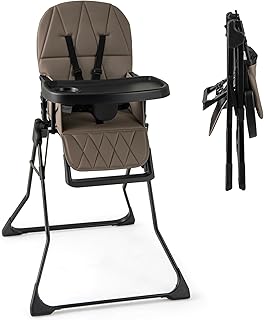
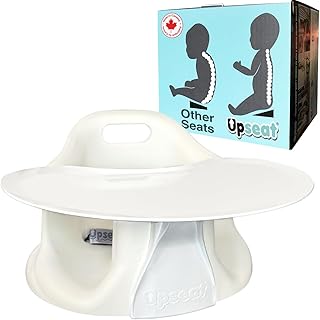
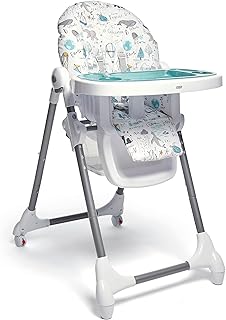
In contrast, modern baby chair styles prioritize innovative design, multifunctionality, and contemporary aesthetics. These chairs often incorporate sleek lines, minimalist designs, and vibrant colors, appealing to the modern parent's taste. In 2026, the emphasis on versatility is paramount, with many chairs designed to adapt as the child grows.
People Also Look For:
- Ingenuity SmartClean Toddler Booster Seat, Slate, Dining and Feeding Seat for Toddlers, Lightweight for Travel, Easy to Clean, 3-P...
- Baby Highchair, 2-in-1 High Chairs for Babies and Toddlers,Ergonomic, Comfortable, Reclining, Foldable, with Ajustable Height, Foo...
- Ingenuity, Baby Base 2-in-1 Seat, Slate, Booster Chair, Dining and Feeding Seat for Toddlers, Easy to Clean with Removable and Sel...
- Ingenuity SmartClean Toddler Booster Seat, Slate, Dining and Feeding Seat for Toddlers, Lightweight for Travel, Easy to Clean, 3-P...
- HOMESCAPES Navy Armchair Booster Cushion Large Firm 50 cm Square Seat Pad with Supportive 10 cm Thick Lift Luxury Soft Touch Cotto...
For example, a modern baby chair may include features such as adjustable height settings, removable trays, and even convertible designs that transition from high chair to toddler seat. These innovations reflect the busy lifestyle of today's parents, who appreciate furniture that can evolve alongside their child. Additionally, modern baby chairs often utilize lightweight materials, making them easier to move and store.
Another significant trend in modern baby chairs is the focus on sustainability. Many manufacturers now use eco-friendly materials, ensuring that products are safe for both children and the environment. In 2026, parents are becoming increasingly aware of the impact of their purchasing decisions, leading to a preference for chairs made from recycled or responsibly sourced materials.
Key Differences Between Classic and Modern Baby Chairs
When comparing classic and modern baby chair styles, several key differences emerge that can greatly influence a parent's decision. Understanding these distinctions is crucial for making an informed choice that aligns with personal values and practical needs.
Design Aesthetics
Classic baby chairs often feature intricate designs, rich textures, and traditional color palettes that evoke a sense of warmth and nostalgia. In contrast, modern baby chairs embrace minimalism, bold colors, and clean lines, appealing to contemporary tastes.
Functionality and Adaptability
Classic chairs are typically designed for specific purposes, such as feeding or lounging, without much versatility. On the other hand, modern chairs often boast multifunctional capabilities, allowing them to serve multiple roles as the child grows. This adaptability is a significant consideration for parents looking to maximize their investment.
Material Choices
Classic styles rely heavily on natural materials such as wood and fabric, while modern styles may incorporate a mix of synthetic materials designed for durability and ease of cleaning. In 2026, parents are more discerning about material safety and environmental impact, making material choice a critical factor in their decision-making process.
Real World Examples of Baby Chair Selection
To illustrate the differences further, consider a scenario where a parent is furnishing a nursery for their first child in 2026. They may be torn between a classic wooden high chair that has been a family heirloom and a modern chair that offers innovative features like a detachable feeding tray and height adjustability. The emotional connection to the classic chair is strong, yet the practicality and functionality of the modern option are undeniable.
Ultimately, the decision may come down to individual preferences, space limitations, and lifestyle needs. For instance, a family living in a compact apartment might find that a modern baby chair's multifunctionality and ease of storage align better with their living situation. Meanwhile, those who prioritize aesthetics and tradition may lean towards the classic option, appreciating the craftsmanship and history it represents.
Moreover, as 2026 progresses, more parents are turning to online resources and social media platforms to share their experiences and recommendations. This digital exchange of ideas allows parents to gain insights on both styles, helping them make informed choices that cater to their family's unique needs.